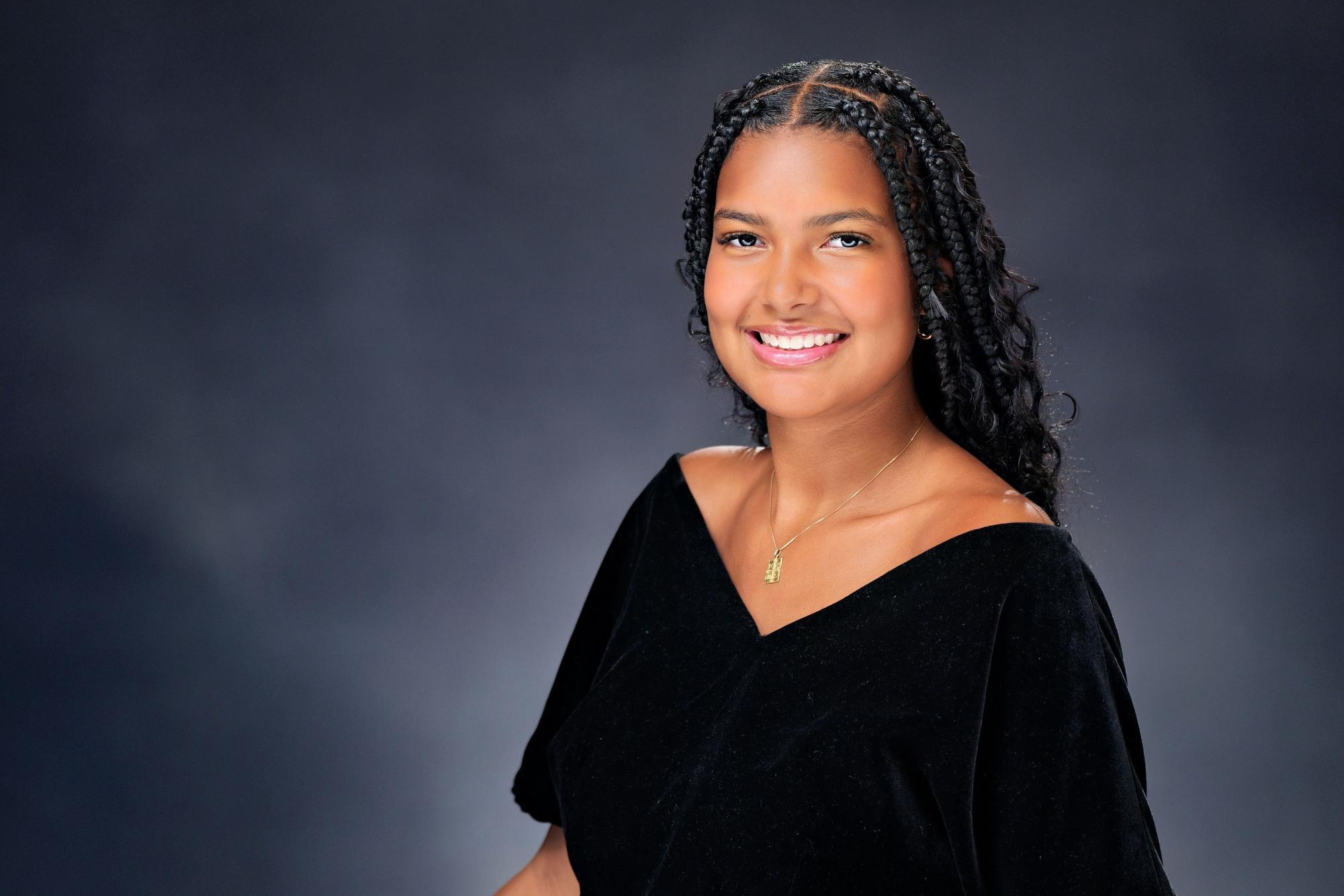
After setting my alarm for 6:30 am, getting on the Amtrak at Union Station or driving with my Dad to Baltimore, I finally arrived at the World Trade Center Institute in Baltimore Maryland, home of the Albrecht Fellowship. I had the pleasure of participating in their high school fellowship during the winter and summer of my junior year and I was fortunate that they agreed to have me back as an intern for the college level fellows for a week in August.
As an organization dedicated to connecting local companies to global opportunities, the Albrecht Fellowship and WTCI offers both interns and fellows a unique perspective on what global trade actually looks like.
During the internship, the fellows and I were sent out to observe the global communication and connection between several Maryland-based companies both big in size like McCormick Inc. and smaller businesses like Paul Reed Smith Guitars. One of the most rewarding experiences was being able to understand how companies of any size are able to expand internationally and use the resources or partnerships of other countries to aid in expansion.
We also got to work closely with professionals who are experts in the field of global trade, collaboration, and partnerships and I also found it rewarding to have mentorship on how to navigate fast paced global environments.
Another important part of the internship was exposure to diverse perspectives, which is where my field expert comes in. I interviewed Ms. Luby Ismail, the founder of Connecting Cultures, who came and spoke both in the high school fellowship program that I was a part of in January of 2024, and again here. In both talks she placed an emphasis on connection through cultural awareness, everything from negotiation styles and hidden stereotypes to cultural expectations around time and formality in conversations. As an Arab and Muslim American woman who was born and raised in the South, Ms. Luby was always considered different. Her ability to problem solve and overcome challenges related to diversity influenced her future career in International Relations. She founded Connecting Cultures in an attempt to advocate for Muslims around the world and after the 9/11 incident her work became crucial in preventing anti-Muslim sentiments. Ms. Luby has received national and international coverage of her work including the Washington Post and Diversity Inc, with Connecting Cultures being featured on BBC World News and Ethics News.
In our interview we delved into what it truly means to be accepted into a culture and how some societies can “fake” integration, acting supportive and welcoming until an incident happens that makes some people look “other.” For example we talked about how the Muslim and Arab communities, while originally feeling very welcome in the United States, felt greatly marginalized and detested after the attack on 9/11, despite not being a part of the terrorist attack.
The whole experience really helped open my eyes to the importance of fully comprehending the background of other cultures in an effort to globally understand, connect, and communicate. Global communication acts as a bridge between cultures and as someone who is planning on majoring in International Relations in college, being taught how to navigate this bridge through this fellowship was such a gift.