


















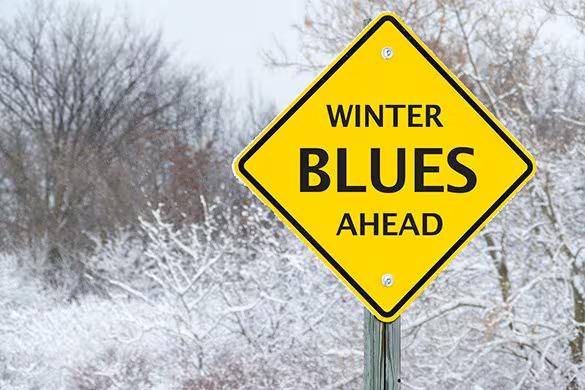
Though it has only been two months into 2026, we have already made it past the “‘saddest day of the year.’” The third Monday of January has been called “the year’s most emotionally difficult day,” and though this is not considered a scientific term, a day that started as more of a PR stunt has become known as Blue Monday. Raising more awareness around taking care of and talking about mental health, Blue Monday is a product of the slump that many people experience during the cold winter months.
The winter slump, or the winter blues, are a result of seasonal sadness: when someone’s mood and behavior changes with the weather. Specifically, the winter blues are feelings that occur when the weather gets colder, and the days grow shorter and darker. Living in this sort of environment for 4-5 months in the fall and winter can raise feelings of anxiety, fatigue, and lack of motivation, especially as people tend to stay inside more. It does not help that after a longer break from school and work, many people have to come back to reality in January and this transition can make life feel overwhelming. Having to return to doing work and organizing yourself is a lot harder to do after celebrations, comfort, and time off. Add in the fact that the beginning of the year is still cold and dark outside, and it is no wonder many people feel more tired and stressed. It’s hard to adjust!
So, why is it that people feel this way? According to NIH, a reason why people feel gloomy in the colder months is because “reduced sunlight in fall and winter can disrupt your body’s internal clock, or circadian rhythm.” Energy decreases due to this lack of sunlight that comes with turning the clocks back, and the circadian rhythm disruption results in the disruption of melatonin production. Melatonin is a sleep hormone that the body produces to stabilize its circadian rhythm, which “is the pattern your body follows based on a 24-hour day — […] This rhythm tells your body when to sleep and when to wake up.” More melatonin is produced when it’s dark outside, so an imbalanced exposure to light and dark throws the circadian rhythm off track. It is not just melatonin that is affected; serotonin is another hormone that becomes produced less as a result of less sunlight, and this contributes to a rise in anxiety and sadness.
A poll from the APA (American Psychiatric Association) from October 2024 found that “Americans are twice as likely to say their mood declines in the winter (41%) as they are to say it improves (22%).” Another result from the study was that the majority of people who experience mood changes due to winter are women (45%), and people living in the Midwest and rural areas feel more sadness than those in the West and in urban areas during this part of the year. The APA study also found that “5% of adults in the U.S. experience seasonal affective disorder (SAD),” which is a more serious condition where people feel depressive symptoms and stronger behavioral differences with the changing seasons. When fall and winter come around, people with SAD experience symptoms that then become overpowering, including oversleeping, losing interest in activities and social connection, and not being able to concentrate. January and February are the months when SAD symptoms spike, but SAD usually fades away when the weather warms up in the spring and summer; the APA study reports that “61% [… of people’s moods are] feeling better [by spring].” In areas that experience colder weather for longer, there is a higher percentage of people who experience SAD.
While these cold months are when people want to sleep more and be less social, here are some ideas to avoid giving into the slump and rotting. Hopefully they help bring some light into your life to prepare for spring!
1. Indoor activities
Even though energy might be low, reading a book, watching a comfort show, baking, and doing some arts and crafts are all great ways to occupy your time indoors. Picking up a new activity or returning to an old hobby gives you something to look forward to each day, and it is important to carve out some time to relax.
2. Go outside
Get some movement by going on a walk, going ice skating, or having a dance party. While the temperatures are not ideal, it’s always good to clear your head, stay active, and spend some time outdoors to get some sun, fresh air, and a change of scenery. Plus you’ll increase your serotonin. Remember to continue to balance your nutrition, sleep, and exercise as you navigate the winter months.
3. Try a new restaurant or go on a hot chocolate crawl
It is also important to have a change of indoor scenery as well, and having some cozy meals and beverages is always comforting. Catch up with your friends or family in a new restaurant, or by going around and trying various hot chocolates.
4. Go to a bookstore cafe
Together, bookstores and cafes provide the perfect cozy atmosphere, and taking some time to browse bookshelves and order a hot drink can be a well-deserved pick-me up. Some recommended ideas are visiting Flor Coffee + Books in Georgetown or Wonderland Books in Bethesda. Check out whatever is local to you!
5. Connect with friends
Though the winter blues tends to make people want to cancel plans with others, sometimes being around the people who bring you joy is helpful in lifting your mood. Continuing to call, text, and hang out are great ways to check in with one another, plus, you can do a number of these activities with your friends which will probably make them even more enjoyable!
As we head toward spring, remember to take the time to rest, go outside, and connect with your loved ones. The weather may be chilly right now, but more sunlight and longer days will be here soon. Until then, remember that you are not alone if you feel any effects of the winter slump, and make sure to check in with your mental health and how you are feeling throughout it all.