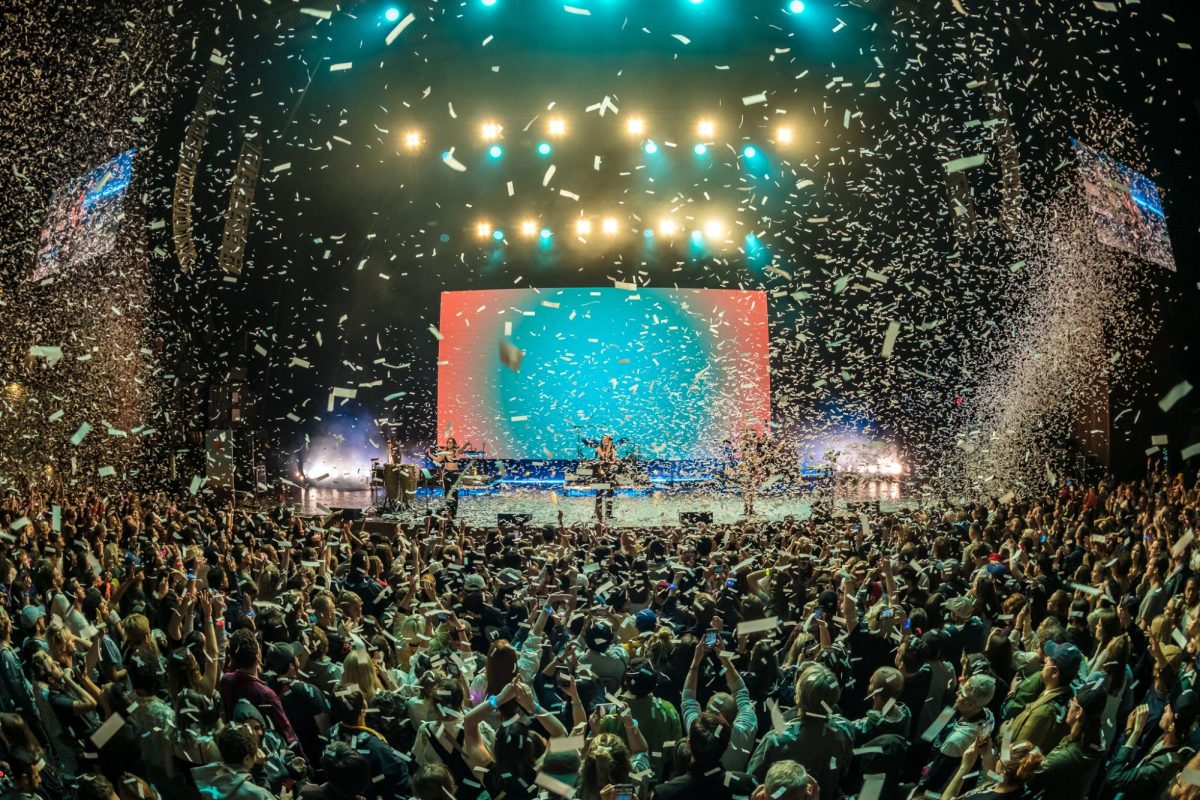

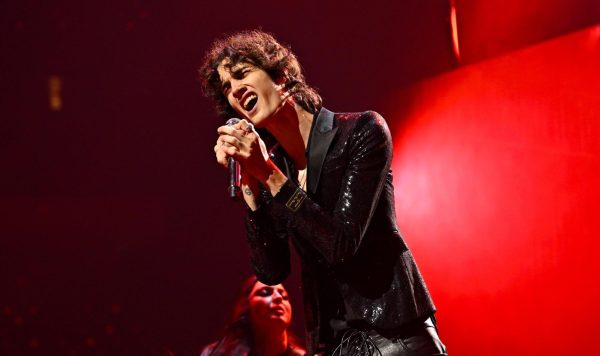
“He wasn’t even a good performer…it just doesn’t seem like he knows how to entertain” says TikToker @meganator when sharing her negative experience at the sombr concert in D.C., which she also described as “brainrot on stage.” Sombr is an artist that skyrocketed to fame seemingly out of nowhere, with his single back to friends, which has now hit over one billion streams on Spotify, shooting him into the spotlight. Like many artists nowadays, sombr has become even more popular through his active social media presence, allowing him to reach a wider audience through both his relatable lyrics and humorous personality. However, @meganator took issue with his performance, saying that it seemed as if sombr didn’t know how to properly perform, resorting to popular memes and jokes to appease the audience and distract from his arguably mediocre choreography, singing, and lackluster stage presence.
Music is more than just catchy pop tunes and formulaic songs, though it seems more and more common for artists nowadays to be a copy of one another, gaining millions of dollars and fans from pure virality on the internet and connections due to that virality. Gone are the days where artists had to work for years, decades even, with little to no praise, building up their audience, genre, and performance quality over years of fine-tuning and true talent. Oftentimes, these artists that work tirelessly to make it big are overshadowed by the multitude of internet-produced stars just like sombr. Music fans and internet users alike have a term for these manufactured artists: Industry Plants. These plants may lead to the destruction of quality and independent artists in the music industry.
An Industry Plant is “believed to have become popular through nepotism, inheritance, wealth, favoritism, or their connections in the music industry rather than on their own merits or organic growth.” Furthermore, these artists often present themselves as “indie” and self-made, especially on platforms like Instagram and TikTok, when really they had all the materials necessary to become a global superstar. This term is one that is often thrown around carelessly, with people dismissing truly talented and self-made artists as Industry Plants. While it is undeniable that some truly great artists did have helpful connections as they were up-and-coming, that does not dismiss their talent. Some prime examples of widely-believed Industry Plants are Lorde, Gracie Abrams, and, more recently, Addison Rae.
Addison Rae is a key example of internet-famous figure turned pop star, with many people being suspicious of her sudden rise in the music industry and rapid growth. First coming on the scene in 2019 and 2020, Addison Rae became a worldwide figure through her popular TikTok dances and her 2020 joining of the Hype House, a group of some of the most famous TikTokers at the time. Addison has since garnered a staggering 5.8 billion likes on her TikTok alone, remaining in the spotlight through 2021.
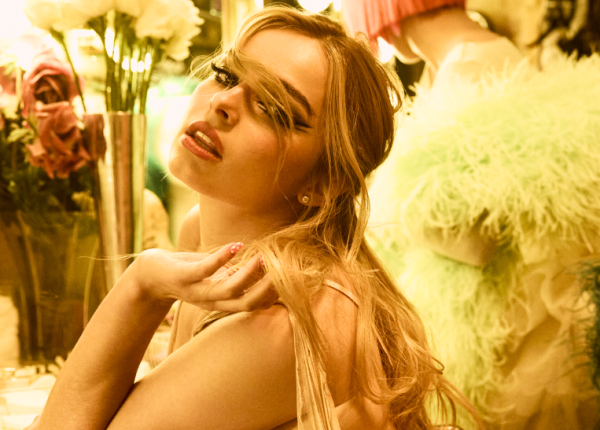
Addison’s first attempt at entering the music industry was in 2021, when she released her debut single Obsessed, which was subject to widespread criticism and mockery. It was not until 2023 that Addison released her debut EP, titled AR, which received mixed, but more positive reviews. Despite her attempts, Addison remained the “TikTok dance girl,” and not the popstar she aspired to be. This changed in 2024, when Addison was featured in a remix of Charli XCX’s song “Von dutch”, and was once again shot into the spotlight with a completely new brand. Her fame only grew with the release of her hit single “Diet Pepsi” in 2024, which now has over 550 million streams on Spotify, and with her debut album Addison earlier this year. Since the release of her album, Addison has become a pseudo-pop star, often being spotted with celebrities like Charli XCX, Kourtney Kardashian, Lorde, and Troye Sivan. She has adopted an aesthetic based on Y2K nostalgia, using and emphasizing psychedelic elements in her style, production, and vocals.
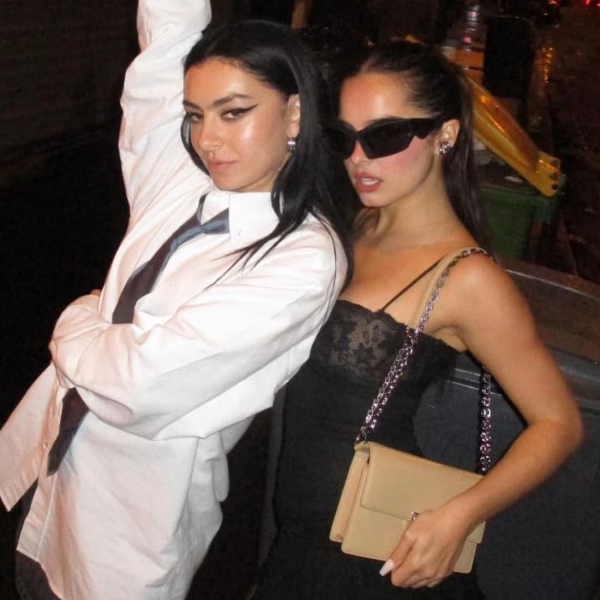
While Addison’s rebrand may seem to be authentic, natural growth, there are reasons for her success that fans may overlook. It is undeniable that her large social media presence contributed to her connections in the music and entertainment industry, giving her all the resources and opportunities to become a star beyond TikTok. Furthermore, many argue that her image is manufactured by managers and industry experts, and purely based on what is popular, with many other artists adopting a similar Y2K-esque style. Finally, and similarly to sombr, there is the question of Addison’s experience and talent as a singer, songwriter, and performer.
Addison’s tour and live performances have been subject to extremely mixed reviews. Internet users and vocal coaches alike have criticized Addison’s lack of technical ability and pitch control, arguing that she relies heavily on her overpowering production to polish her voice.
When describing Addison’s concert, one Reddit user referred back to an interview with actor Denzel Washington, where he states “You don’t have to be good now. You just have to be eccentric… do something stupid… get people to follow you.”
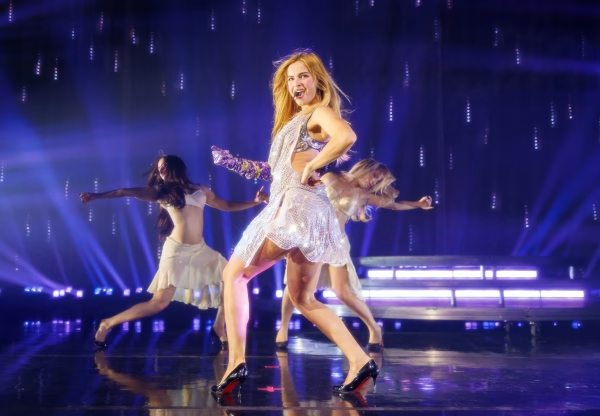
Addison Rae and sombr, like many other pop singers nowadays, rely heavily on this “wow-factor” in their performances, whether it be the high-energy workout moves included in Addison’s stage performance, or sombr’s reliance on Gen-Z humor and banking on people calling their “toxic exes” on stage. To many concert-goers and social media users, these are used to distract from mediocre stage presence and choppy live singing, as these new artists tend to lack the experience that comes with years of experimentation and building a unique brand.
This utilization of this virality has expanded beyond these famous popstars, and is now becoming the prime method of gaining an audience for indie singers. Most young singers in hope of becoming the next big star will take to TikTok and Instagram, promoting one small snippet of what they hope will be their first big hit. These snippets are intended to go viral, emulating other styles and songs that were popular at the time and sacrificing originality and uniqueness. Artists that utilize this strategy often gain popularity for a short period of time, yet fail to stay on the charts in the years to come. One example of this is the song “Mad at Disney” by artist Salem Ilese, which went viral on TikTok in 2021 due to the artist’s constant promotion of one snippet of the song. However, the song (and Salem) have essentially disappeared, with Salem herself having a mere three million monthly listeners on Spotify.
This is another fatal flaw in the desire for virality in the music industry. Artists who create a brand off of what is popular at the time are destined to fail, as trends are always coming and going. All of the most successful singers have stood the test of time due to their originality and years-long efforts, not because of how many likes and views they have on the internet. It is undeniable that having a strong social media presence can help artists market, but it all means nothing if there is no real talent or passion behind the screen. Furthermore, Industry Plants who have prior support and corporate deals are essentially guaranteed popularity and virality, as they are strictly marketed and stylized to fit what is trending, making it extremely difficult for indie artists with unique sounds to even obtain record deals and grow beyond the TikTok sphere.
Industry Plants and internet-stars turned global celebrities have undeniably taken over the music industry, but what does this mean for new, less well-known artists? There are millions of indie music artists around the world, creating unique and tasteful music, but gaining no recognition whatsoever. Truly talented, unique, and self-made artists like Billie Eilish, Adele, and Chappell Roan are becoming harder and harder to come by, as true musical ability is irrelevant in the race to become the next viral TikTok audio, the next sombr, or even the next Addison Rae. Indie artists have little to no means of gaining success unless they give into the formula of creating a viral sound and gaining superficial fans and record deals that will inevitably fade away. The question that remains is if fame and fortune are worth sacrificing true talent and uniqueness, and if there is a chance for indie artists to thrive through their passion for music and not through the pursuit of fame.