











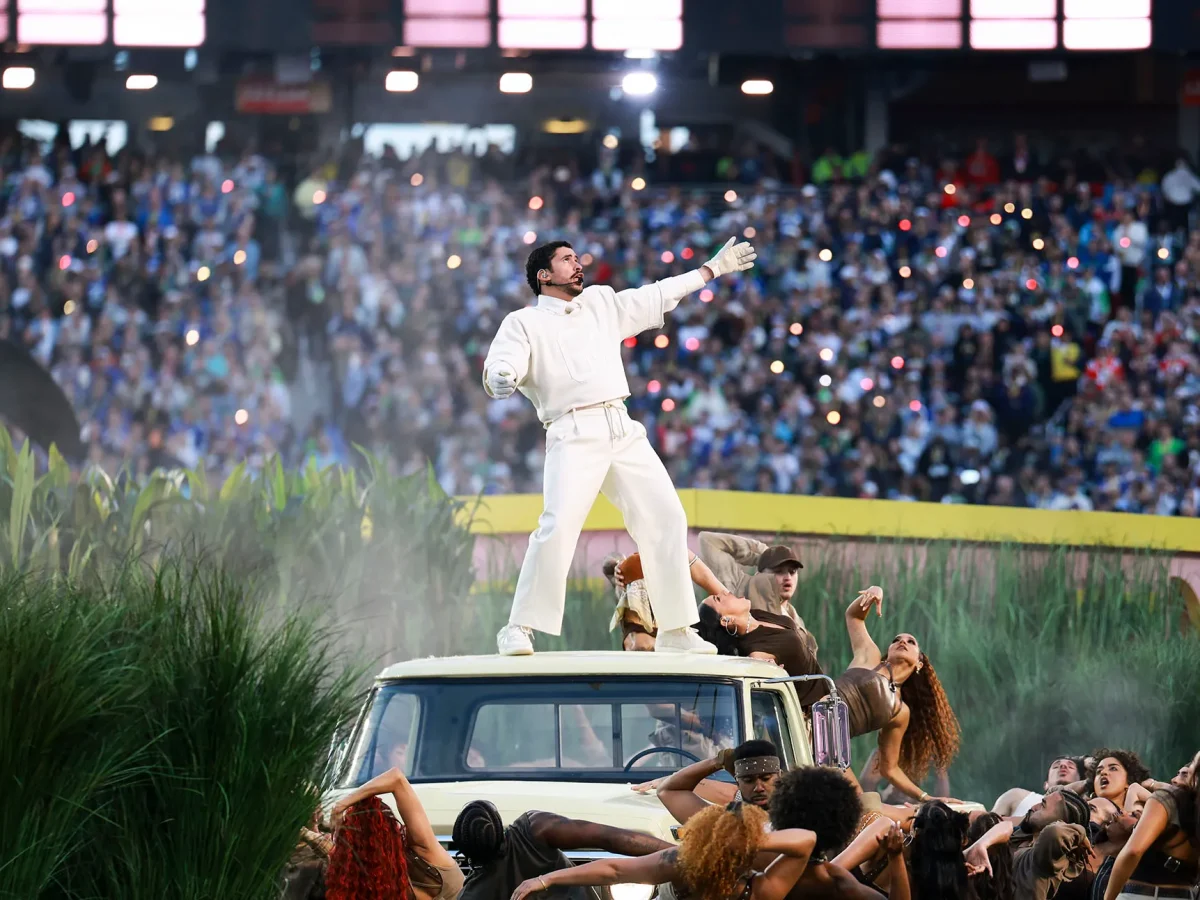


It has been nearly 4 years since the global sensation BTS took a hiatus to serve their 2-year mandatory military service for South Korea. Now, they are back with an upcoming album, Arirang, scheduled for release in March. Alongside that, BTS has announced a world tour that covers Asia, North America, and Europe. This long-awaited tour has had thousands of BTS fans (known as ARMY) running to the Weverse presale to have a slim chance of grabbing a ticket. On the Associated Press TikTok Page, they challenged their journalists to try to grab tickets from different geographic locations. One journalist tried for tickets for one of the New York nights, and when she was shuffled into the queue, there were over 50,000 people in front of her, and she spent over an hour waiting to buy a ticket. When it was her turn, that night was sold out. Thousands of ARMYs experienced the ‘ticketing war’, with some locations having over 100,000 fans attempting to buy tickets for a single night. Despite multiple people using different devices, they had trouble securing a spot. According to Billboard, BTS is estimated to make over 1 billion dollars from this comeback, extracted from concerts, album sales, streaming revenue, and merchandise.
The Climb to International Fame
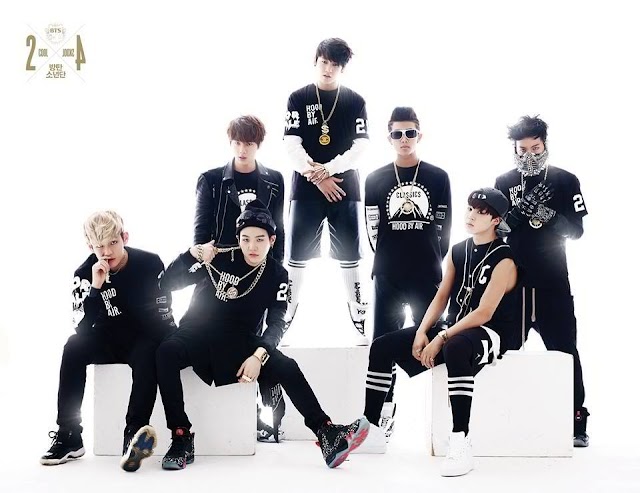
BTS, short for Bangtan Sonyeondan and translating to Bulletproof Boys, debuted under the company Big Hit Entertainment, now known as HYBE LABELS, on June 13, 2013. K-pop at the time had limited influence on the Western music scene, with many listeners only exposure to the genre the smash hit “Gangnam Style” by PSY. BTS was considered what some would call nobodies in the Korean music industry due to their label. For the first few years, they struggled to promote their music because of their budget and often had to hand out flyers to get people to attend their shows. RM, the leader of BTS, shared on an episode of You Quiz on the Block that he and his fellow band members would share a single room and a bathroom when performing in different cities, using their funding on their music. It wasn’t until a few years later that BTS finally started to break through into the Western music scene.
In October 2017, the song “DNA” peaked at No.67, marking the group’s first entry into the Billboard Hot 100. Afterwards, “Mic Drop” by BTS and remixed by Steve Aoki debuted at No. 28; it was the first time a K-pop group had been featured past the Top 50 on the Hot 100, according to Billboard. This was the start of BTS’s global fame. Following up with their smash hits FAKE LOVE and IDOL featuring Nicki Minaj, BTS saw their music hit the Top 10 on the Billboard Hot 100. BTS scored two No.1 albums in 2018 alone, Love Yourself: Tear and Love Yourself: Answer, reported by Billboard.
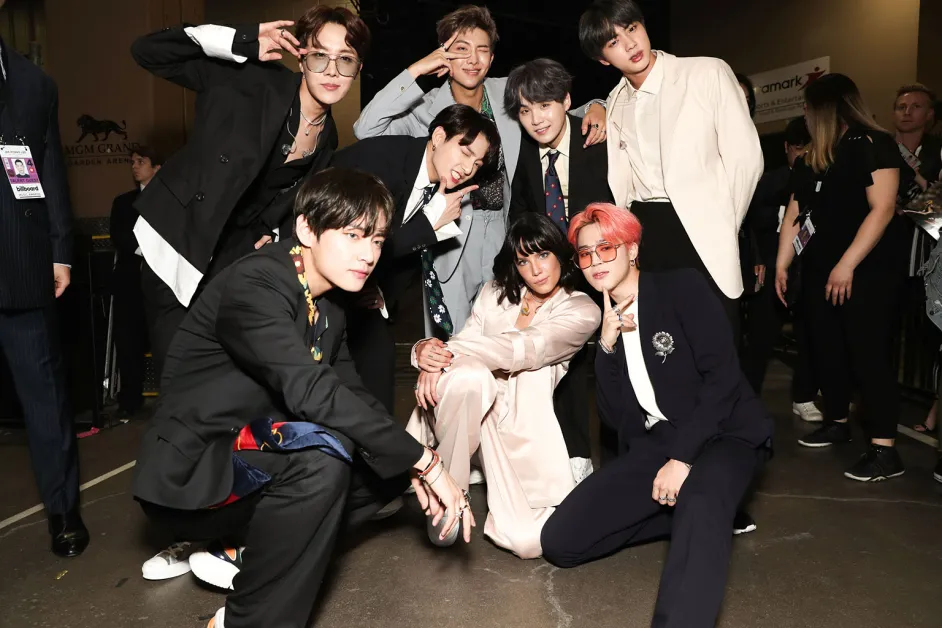
The following years, 2019 and 2020, were the biggest years for BTS. On April 19, 2019, they released their album, Map of the Soul: Persona. It debuted at No. 1 on the Billboard 200 alongside the title track Boy With Luv feat. Halsey at No.8 on the Billboard Hot 100. BTS was named one of TIME’s 100 most influential people. Halsey wrote a tribute to state her experience with the group, and she states the authenticity of the boys and their dedication, saying, “[they are] just some guys who love music… you haven’t seen the love and effort these young men put into each and every step.” (TIME) BTS repeated their success in 2019 with their album Map of the Soul:7 and their lead single “ON,” charting No.4 on the Hot 100. Throughout the COVID-19 pandemic, they kept up with the media and did virtual concerts and performances. It was not until August that BTS released their viral single, “Dynamite,” their first all-English track. This single took the world by storm, reaching No.1 on the Billboard Hot 100 for three consecutive weeks and on the chart for a total of 32 weeks. Later in the fall, they released their fifth studio album, BE, and became the first-ever K-pop group to be nominated for a Grammy. BTS ended the year crowned the Greatest Pop Stars of 2020, showing the impact of a non-Western artist breaking barriers.
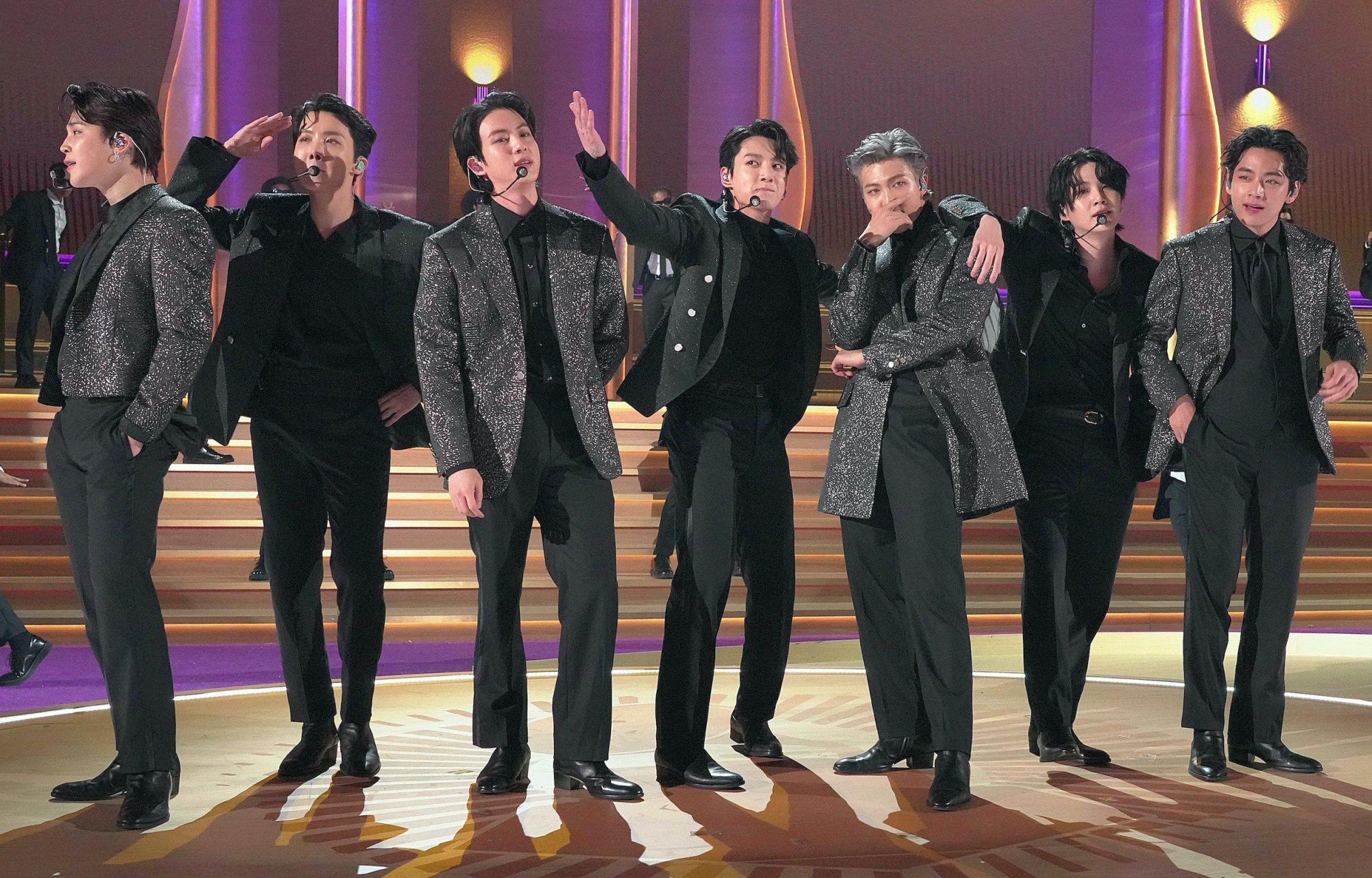
In 2021-2022, BTS slowed down to focus on their individual solo careers and take a break. During this time, they released their record-breaking song “Butter”, which spent 14 weeks at No. 1 on the charts and received their second Grammy nomination. Furthermore, “Butter” set the record for the most-watched music video in 24 hours with 108.2 million views. BTS released a few other singles and collaborated with different artists throughout this time. Their success is so high that they are among the top artists with the most No. 1 hits (6 tracks) in the 2020s. The group was at the peak of their career before stepping away from music to fulfill their mandatory service.
Why is BTS so loved?
Mostly, their popularity comes from their multifaceted talents. Their ability to sing, rap, dance, and hold a strong stage presence attracts people to their performances. Each member has their own identity and brings their own strong, unique talents to the group. Bang Si Hyuk (CEO of HYBE LABELS) saw potential in all seven of these individuals. RM, SUGA, and J-HOPE are all rappers who create a strong rap line for the group. Jin, Jungkook, V, and Jimin have strong vocal performances and contribute to the visuals. They are all different and bring something diverse to the table of music. BTS shifted away from Hip-Hop around 2015, mixing their music with K-pop, pop, R&B, and other genres, having their own distinct sound. In an interview with GRAMMY.com, they stated that their music is their own genre. This allows people to tell they are hearing their music despite not knowing the song.
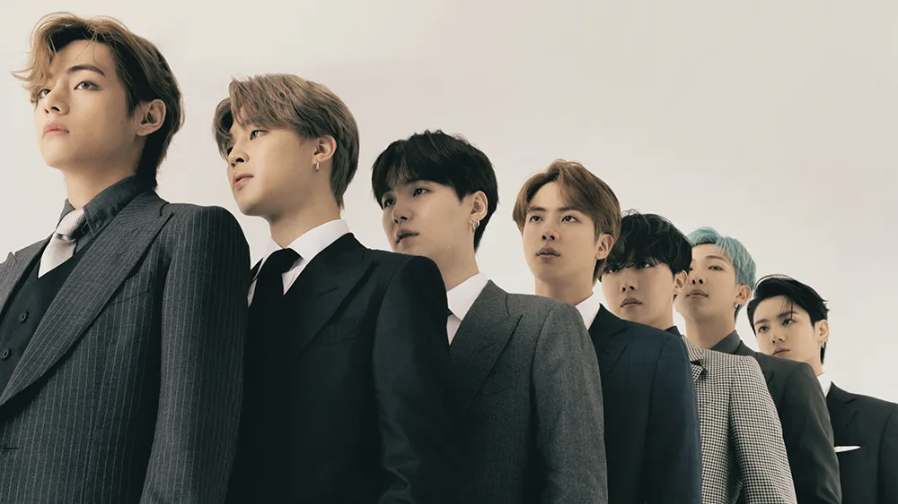
Alongside their strong sound is their intricate lyricism. The members showcase their vulnerability in their writing and they are not afraid to be authentic both in and outside of the music industry. For example, through their documentaries or their fan livestreams. Vulnerability connects with fans on a deeper level, finding something they can relate to in an artist. They instill positive messages for their audience to find something they might be missing. In their album BE, 2020, “Life Goes On” is the lead single that reflects the COVID-19 pandemic, how life stopped without warning, and how it negatively impacted the members. The song sends a message of hope, resilience, and love to everyone and encourages the world not to give up. This single was the first predominantly English song to hit No.1 on the Billboard Top 100, revealing their impact in and outside their community. “Life Goes On” displays that they do not need to adjust to the Western music industry to find success by singing in English. Additionally, BTS speaks up for prevalent ethical issues. For example, during COVID-19, BTS spoke about the Black Lives Matter Movement. In a Variety interview, Jin expressed that “We [BTS] feel that prejudice should not be tolerated” and donated 1 million dollars to the movement. Finally, BTS connects with their fans on a different level compared to the Western music industry. They always entertain the fans, as they acknowledge that ARMY are dedicated to the group. They commit to connecting with them through concerts, livestreams, and recorded messages to the community. This creates a strong, genuine relationship that ARMY can consistently feel connected to and feel cherished.
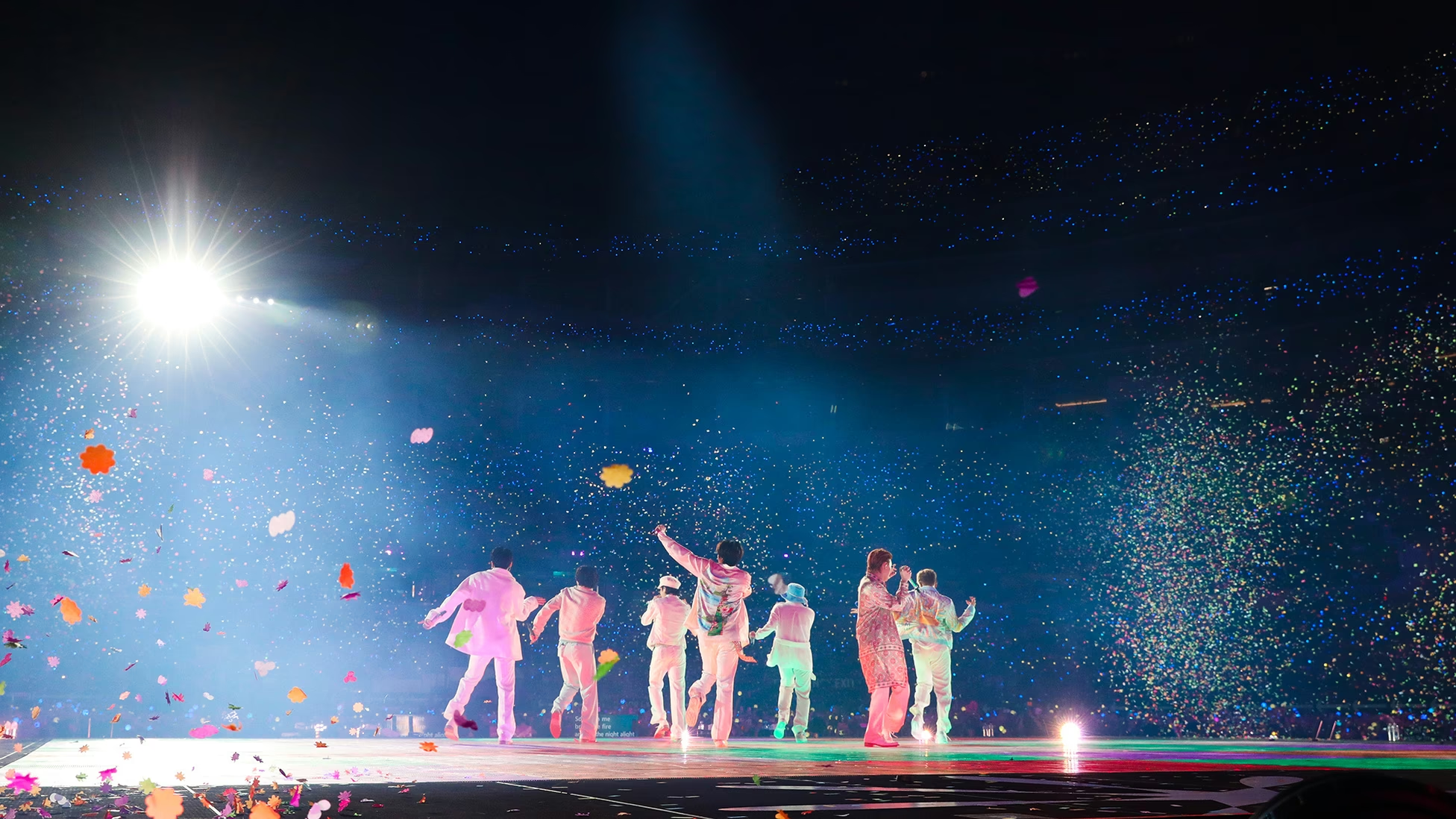
As BTS is set to come back in March, their loyal fanbase, ARMY, makes their return to the music industry a little more manageable for the group. Despite leaving at the height of their career, the group is coming back stronger and ready to make a statement and a new wave in the industry. The members are coming back at a different time in their lives; most are in their early 30s (considered old in the K-pop industry), and the fans have aged with the band, with most now in their 20s. Nevertheless, they were the first group to make a wave, and there has been long anticipation to see if they can recreate their success in their next album tour.