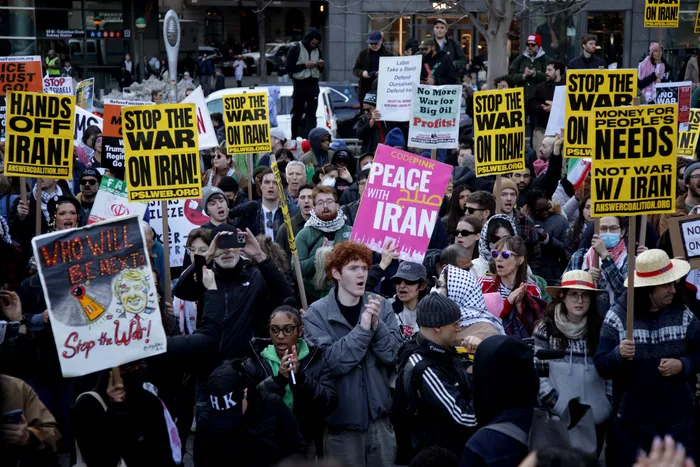













It has been over 2 months since the US attacked Iran. Since then, the world’s economy has been feeling the effects. The conflict ignited on February 28th, 2026, with the United States and Israel launching multiple air strikes on Iranian military zones. Alongside the set of first air strikes, Iran’s Supreme Leader Ayatollah Ali Khamenei and other Iranian officials were killed. Since the attacks, the government has shut down the internet in the country and closed the Strait of Hormuz. About 20% of the global oil supply passes through this strait, triggering a spike in the global oil supply.
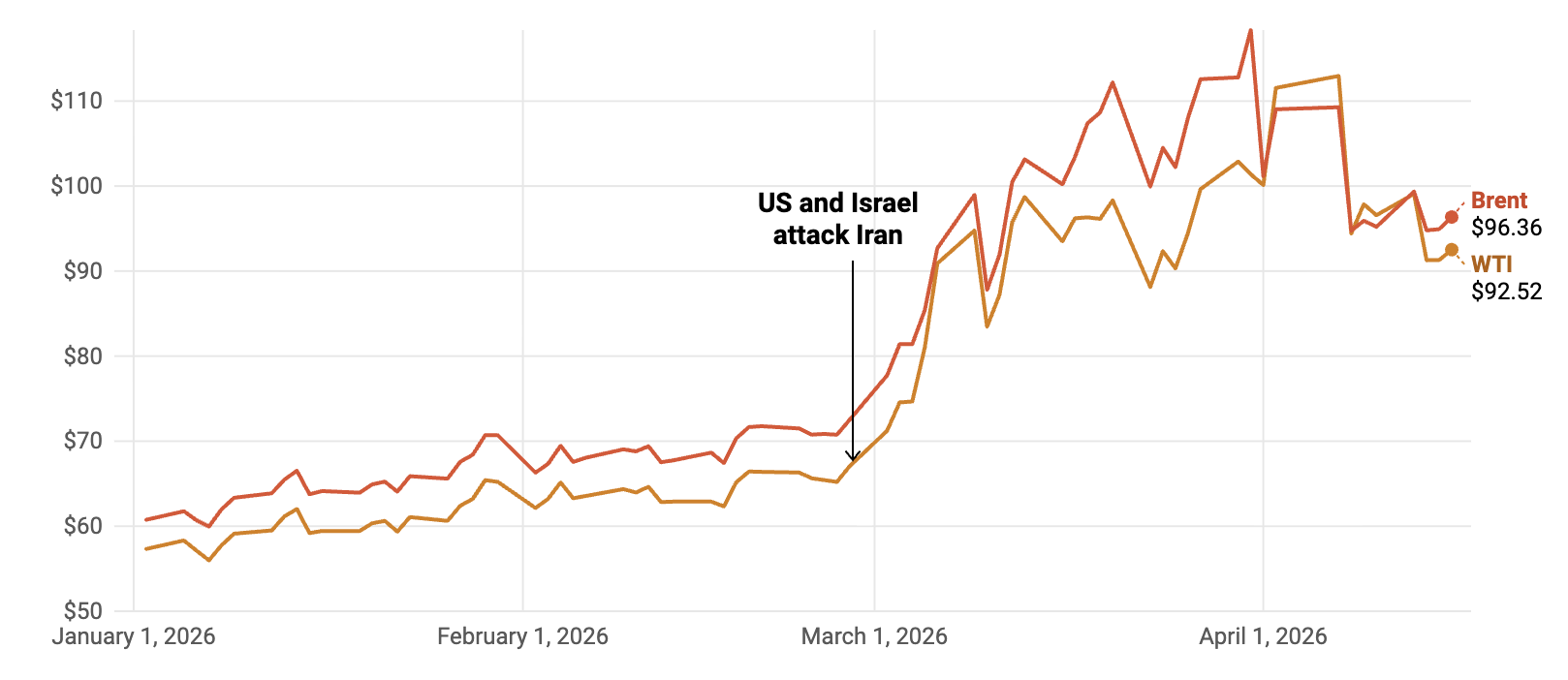
Before the war, according to Al Jazeera, a barrel of oil averaged around $67.02. One month later, the cost of a barrel in the US and Europe exceeded 110 dollars, a 50% increase. Since then, the US has been releasing oil from the reserves in the hope of stabilizing the economy while attempting to reach a deal with Iran.
Countries around the world are feeling the effects. The Philippines declared a state of emergency. The country has imposed fuel restrictions, and many people cannot afford gasoline. Many European airlines are concerned about jet fuel, as they receive about 75% of their fuel from the Middle East. As the summer months approach, there have been concerns about how airlines will keep up with demand. According to CNBC, Europe could run out of jet fuel in about 6 weeks, with concerns of cancellations on flights or the rising cost of airline tickets. The instability in the global economy has many people questioning why this war is taking place and whether or not it is justified.
Why Is This War Happening?
US President Donald Trump called for airstrikes in February to attack the Iranian regime in a defensive act aimed at preventing Iran from allegedly furthering their development of nuclear weapons. Trump calls this a defense for the American people, claiming that attacking Iran is intended to prevent a nuclear war. This has caused an issue in the U.S. government, as the war has exceeded the 60-day mark, violating the War Powers Act set during Nixon’s presidency during the Vietnam War. According to the BBC, President Trump called the limitations on the president’s war powers unconstitutional and “many presidents…have gone and exceeded it.” (BBC) The war has been halted at a ceasefire since April 8th. Since then, the US and Iran have been negotiating towards a deal to end the war. Over the 40 days, according to the AJC, the United States has carried out over 13,000 air strikes, Israel has conducted over 10,000 airstrikes, and the Israeli Air Force has dropped over 18,000 bombs.
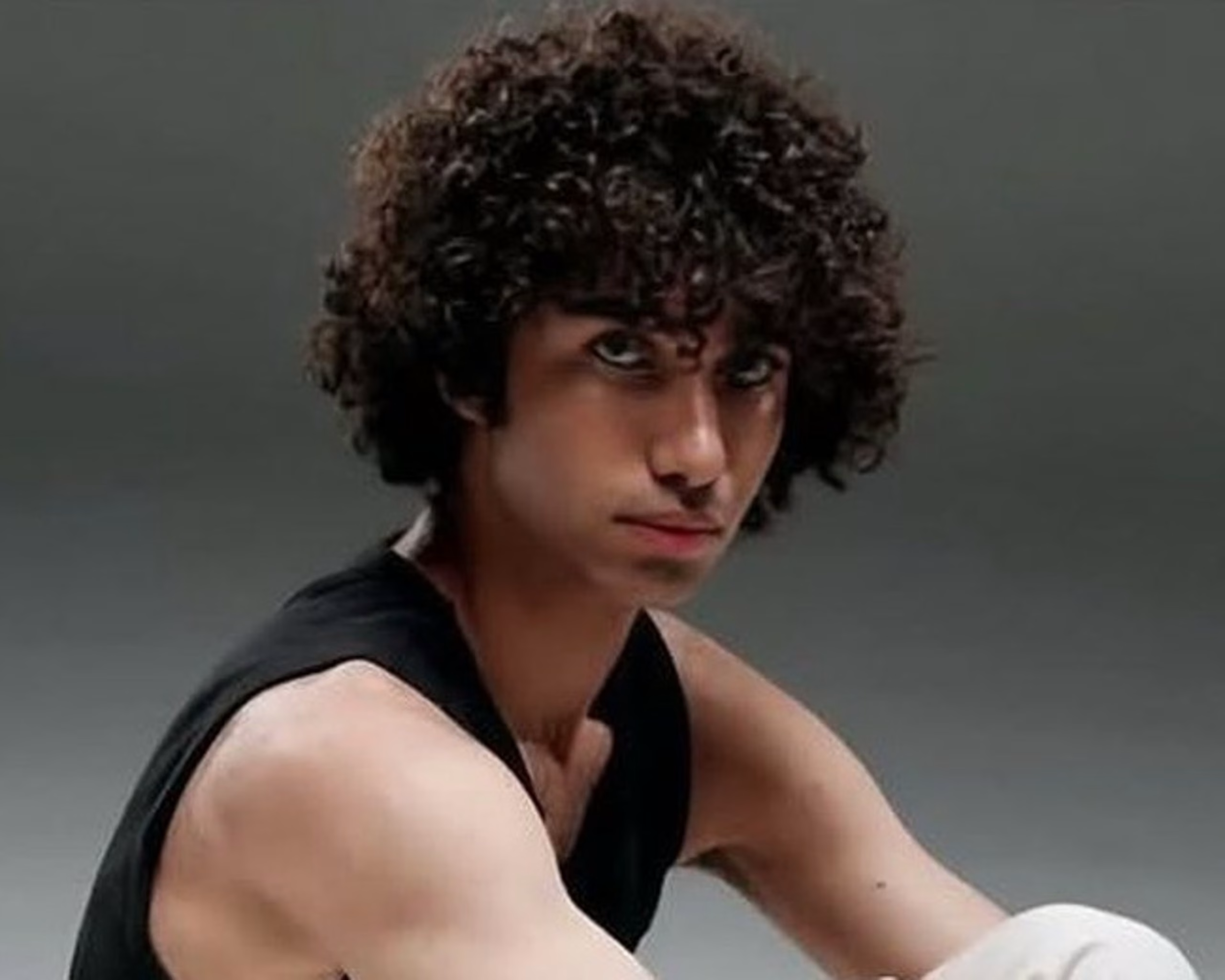
Ceasefires between the US and Iran and Israel and Lebanon continue to be extended, yet the consequences are still significant. The internal conflicts in Iran have also escalated due to the US conflict. According to NPR, since the start of the year, over 600 people have been executed by Iran’s government, and the executions have increased during the ceasefire period. The Guardian published a report on the victims who are on Iran’s death row, sharing letters and accounts from men as young as 18 years old. Amirhossein Hatami, an 18-year-old boy, was forced to confess to charges of moharebeh (enmity against god) and efsad-fil-arz (corruption of God) in relation to the January protests; he was hanged on April 2nd.
How is this affecting the Stone Ridge community?
The Iran conflict has hurt countless people across the globe, with thousands of families seeing their loved ones trapped in Iran with extremely restricted communication. Ms. Khaze, an Upper School mathematics teacher, shared her experiences on how the recent conflict has been affecting her family and her country:
When asking about how this conflict has been affecting her family, Ms. Khaze told me about the constant worry and stress about how her loved ones in Iran are affected due to the internet shutdown orchestrated by the Iranian government. The only way to receive communication is either from the news or from people inside Iran, who pay high fees to send limited text messages. Within the first week of the war, Ms. Khaze “lost a relative who had spent his life advocating for peace and unity,” and the loss has stuck with her in these past months, showing the pain of what Iranians are going through.
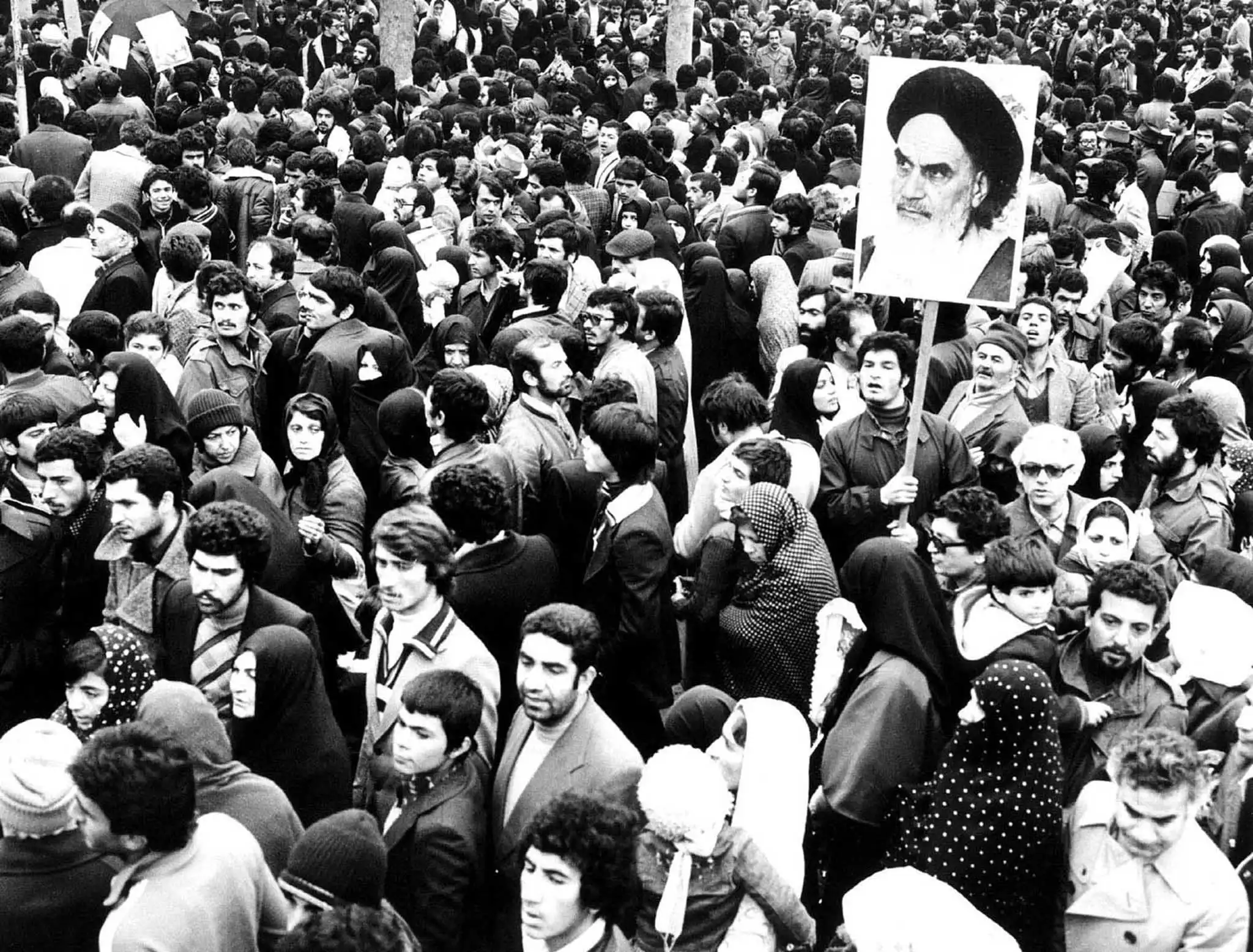
When asked what she wished people understood about this conflict, Ms. Khaze focuses on the difference between the Iranian people and the Islamic Republic. In 2025, a Netherlands-based institute surveyed over 77,000 people in Iran, finding that 80% oppose the government and support shifting the political system. This Islamic Republic emerged during the Iranian Revolution, driven by widespread discontent with the Shah, Mohammad Reza Pahlavi (an autocratic leader), economic inequality, and corruption. Eventually, in 1979, the Shah fled Iran, and the power shifted to a theocratic government with Ayatollah Ruhollah Khomeini taking the position of Supreme Leader. Immediately after the revolution, public discontent started to emerge. Most people hoped the new government would fix these socioeconomic issues that the Shah created, but the Islamic government disregarded all these issues and started targeting minorities or enemies of the government. According to the Atlantic Council, within a few days of the victory of the revolution, executions started against the previous Shah’s government.
Over time, the executions by the state have become increasingly arbitrary and are seen by the global community as human rights violations. This continuation of the government’s disregard for human rights and discrimination against the minority religious groups, such as the Baha’i’s, has sparked thousands of Iranians to turn against the regime. Countless protests have been organized over the years to demand change. Most recently, in December of 2025, thousands of Iranians went to the streets to peacefully protest against the collapse of the Rial currency. The government, in response, implemented internet blackouts and deployed the Islamic Revolutionary Guard Corps (IRGC) to dismantle the protests. An estimated 6,000 were shot and killed by law enforcement. Ms. Khaze shared that one of her relatives was killed during these sets of protests despite protesting peacefully. A second point Ms. Khaze emphasised throughout our conversation is the need for people to go beyond the headline or statistic. Ms. Khaze stresses that it is not the people of Iran who are making these decisions, and “[o]ften, the innocent people [are] paying the price.” Thousands of Iranians cannot afford basic necessities due to the heightened inflation and economic instability. Even before the war, Iran’s economy had been weak and was on the brink of collapse.
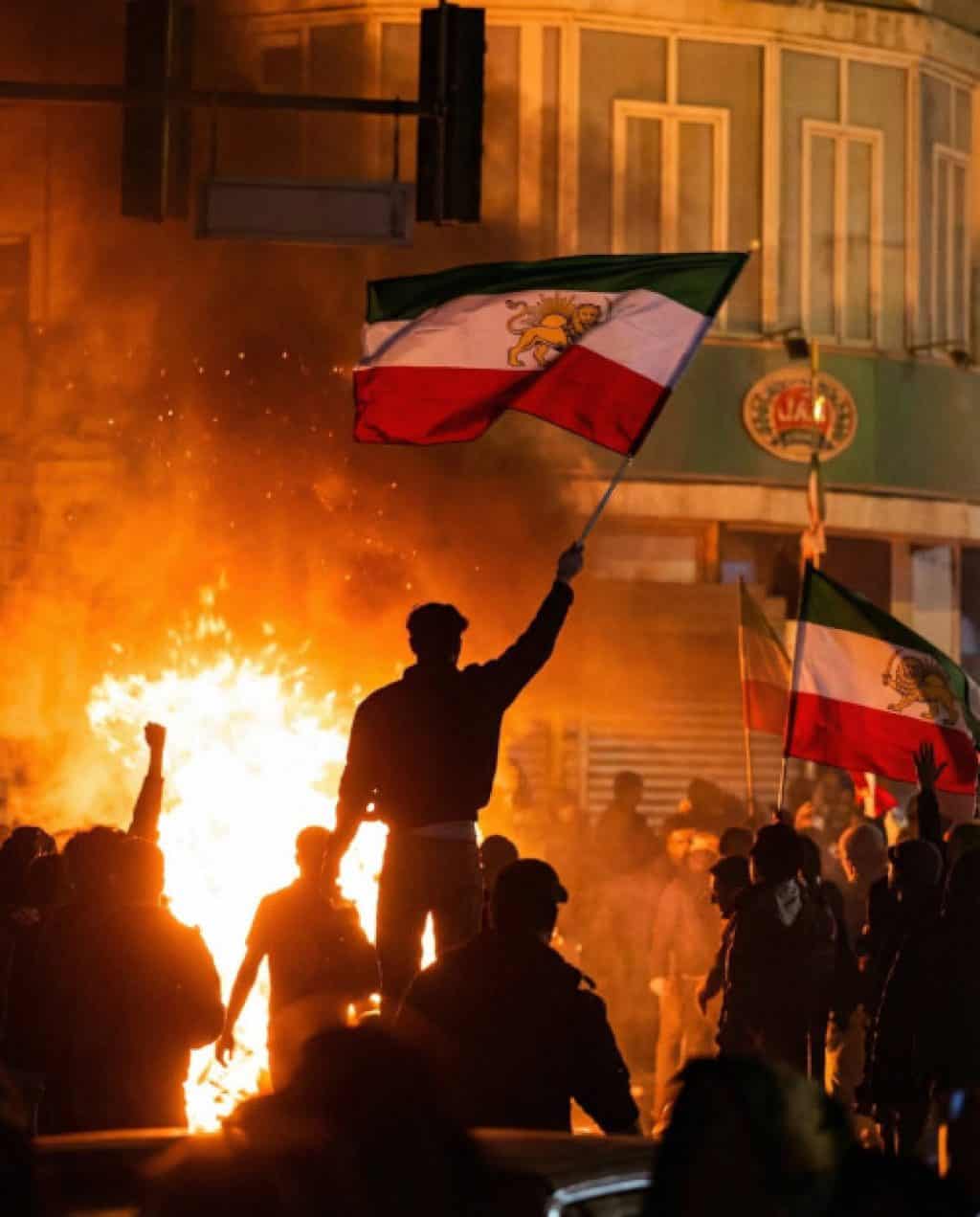
Ms. Khaze also stressed that people should pay attention constantly, not just in times of war. Thousands of Iranians risk their lives to highlight the injustices in the state of Iran. Often, journalists, activists, and religious minorities face severe repercussions for simply speaking out. This is ongoing and not only happening during the current conflict. “Continuing to raise awareness…[be] open to learning and willing to take meaningful action” is a step closer to “[ensuring] that these voices are not forgotten.”
A second point she addressed is the importance of knowing the entire story. Many media outlets take political sides, and Khaze stressed that this can create an “incomplete picture of reality.” It is the responsibility of consumers not to take one story as the full picture, but rather to research the topic and create a well-developed narrative.
The last point Khaze spoke on was the interconnectedness of humanity. Her religious beliefs as a Baha’i hold that there is one united human family, disregarding race, gender, socioeconomic status, and politics. Human rights are not selective based on where you live; everyone should have access to these rights. When people choose to ignore these issues, they end up feeling the pain. Khaze tells me that for years, Iran has spoken up against the corruption of the regime, and many human rights organizations have not intervened in the situation.
As the world continues to feel the effects of the war, our duty to stay informed is important. Knowing that multiple human rights violations are continuing in Iran, it is critical to raise awareness. These moments where our community is affected remind us that these global issues are closer to us than the headlines.