







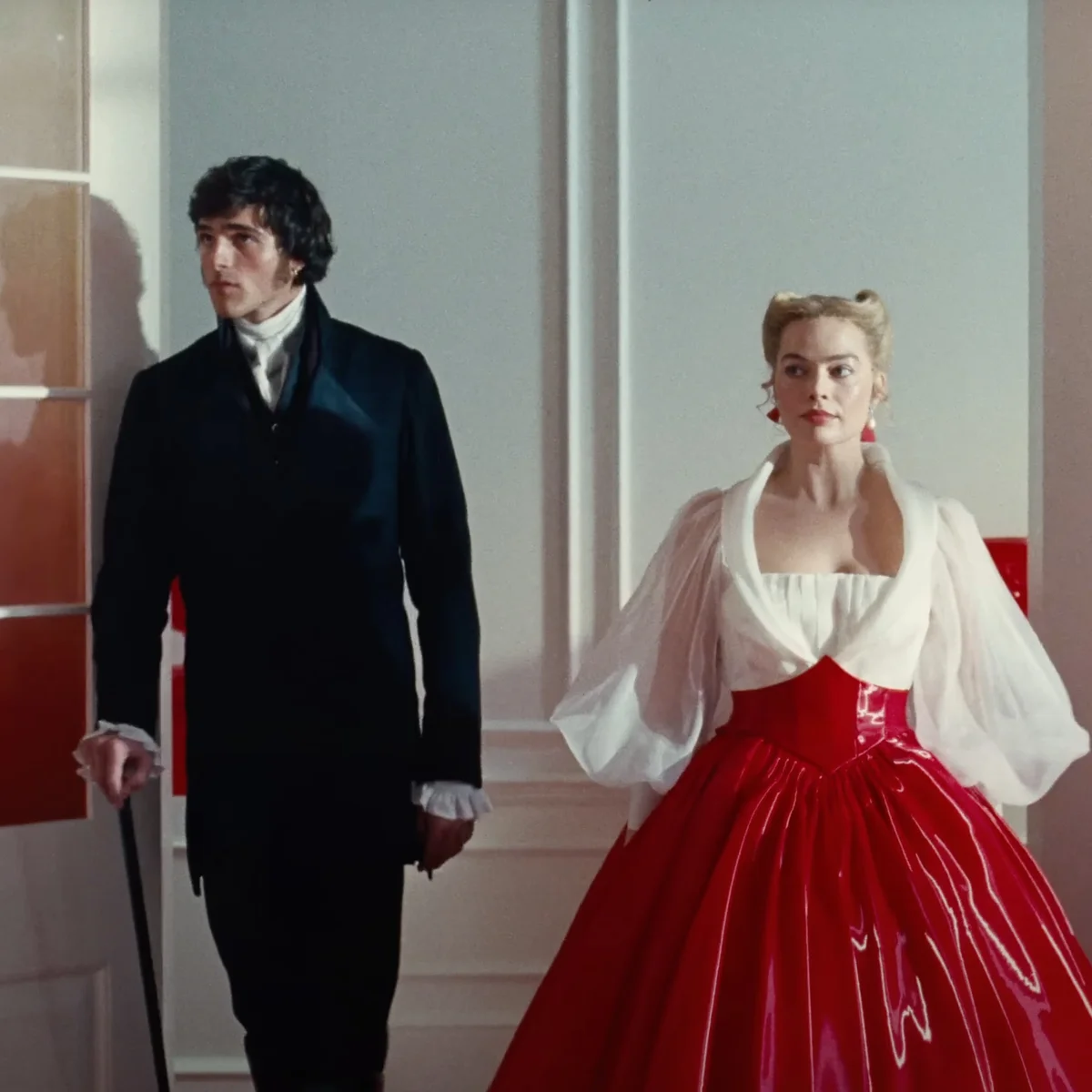
One of the most anticipated and controversial cinematic releases of 2026 has been acclaimed director Emerald Fennell’s “Wuthering Heights,” a take on Emily Brontë’s classic novel. To say the film’s announcement and release have been met with anger and controversy would be an understatement: from misinterpretations of the text, historical inaccuracies, and the possible erasure of a few key themes in the novel, many were skeptical of Fennell’s interpretation despite her previous awards in writing and cinematography. There are pros and cons to the film, including many choices that lovers of the novel will find shocking.
My Review: ⭐⭐⭐⭐

The Positives:
Cinematography: One of the aspects of the film that few doubted would be exceptional is its cinematography. Fennell is known for her use of vibrant colors, stylized camera shots, and often unsettling imagery, giving the film a signature look from the get-go. Sweeping shots of the misty English moors combined with the dark, stylized set of Wuthering Heights itself perfectly encapsulate the film’s atmosphere of mystery, melancholy, and darkness. Fennell perfectly contrasts this with her shots of the opposing home of Thrushcross Grange, defined by bright, symbolic colors and an air of wealth and privilege. As the film grows darker, more sinister colors like red and black take over the bright atmosphere of the Grange, with the film ending in muted, beige colors and disturbing, painful shots. Every shot in this film is meticulous and purposeful, allowing for Fennell’s artistic vision to shine through despite the film’s shortcomings in other aspects.
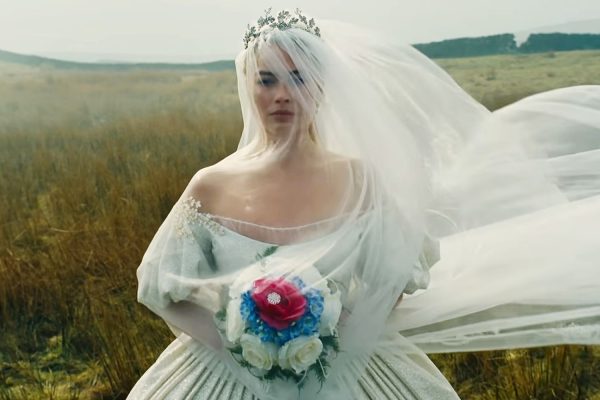
Costumes: While nowhere near historically accurate to the story’s late 18th to early 19th-century setting, the film’s costumes leave an undeniable impact, similarly utilizing striking colors to portray different emotions and themes. Created by acclaimed costume designer Jacqueline Durran, the costumes throughout the film draw inspiration from different eras of fashion, culminating in many looks that are Met Gala-worthy. Durran uses modern elements such as cellophane, silicone, and velvet to express an excess of wealth and prosperity, contrasted by the dull and more era-appropriate outfits worn by those in Wuthering Heights, matching the home’s atmosphere of pain, emptiness, and struggle. Many of the costumes are absurd and over-the-top, but, in my opinion, they perfectly fit the often exaggerated and overdone nature of the film and the emotions it exhibits.
Music: Charli XCX might seem to be an unlikely choice for taking on a classic, 19th- century novel like Wuthering Heights, but she delivers on every front. Her already iconic song “House ft. John Cale” accompanies the film’s opening sequence, powerfully setting the mood for the rest of the film. Some other standouts include “Chains of Love,” a sweeping track that embodies the ideas of destructive, obsessive, and intense love, and “Wall of Sound,” which explores themes of anxiety, love, and entrapment within emotion. The film’s score, on the other hand, was created by Anthony Willis, using traditional string ensembles that match the film’s time period and setting, while also complementing XCX’s pop-influenced contributions.
The Negatives/Controversies:
NOTE: Spoilers ahead for both the film and the novel
Characters: Anyone who has read the original novel will be taken aback by many of the character choices made in this film. The only characters that stay mostly true to form are Catherine Earnshaw (Margot Robbie) and Edgar Linton (Shazad Latif). However, almost all of the other characters differ greatly from their book counterparts, whether that be regarding casting, storyline, or character traits. For example, the character Nelly Dean (Hong Chao) is turned from an observant, possibly biased, and passive narrator into an antagonist in the film, actively working to harm Heathcliff (Jacob Elordi) and destroy his romance with Catherine. While not necessarily a bad character choice, it is one that many will be shocked by and is extremely unexpected. The characters of Isabella Linton (Alison Oliver) and Joseph (Ewan Mitchell) are also markedly different from the novel, being molded to fit the film’s theme of obsession and romance, rather than acting as the novel’s unique and more muted characters. Heathcliff, while some aspects are accurate to the novel, is very watered down in terms of character, mainly due to the story changes that Fennell adopts (see “Story” section for more).
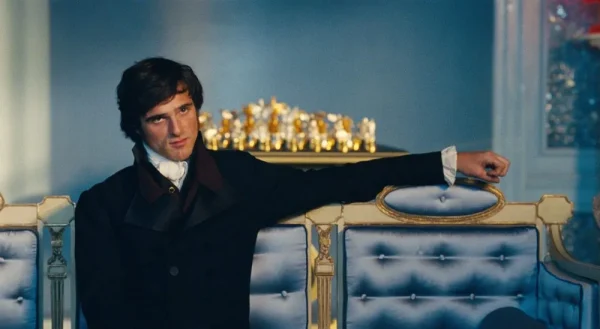
Casting: One of the most prominent controversies surrounding the film is its casting, mainly when it comes to the character of Heathcliff, who is played by Jacob Elordi. One of the novel’s central themes is the racial prejudice that Heathcliff experiences, with him being described as “dark-skinned,” “black-haired,” and a “lascar,” or someone of South Asian descent. While Heathcliff’s race is ambiguous, it has been widely agreed by scholars and readers alike that he is not white, unlike every other character in the novel; he is mainly contrasted with Edgar Linton, who is also his main opponent in the novel, being described as having light hair and skin in the book. Despite this, Edgar is played by Shazad Latif, who is of Pakistani and English descent. Whether or not Fennell was attempting to comment on race and prejudice is unclear in the film, with much of the abuse Heathcliff experiences in the film instead being justified purely by his lower social class. When asked about these casting choices by The Hollywood Reporter, Fennell said, “You can only ever make the movie you sort of imagined yourself when you read it.” This quotation could imply many things, mainly suggesting that Fennell dismissed the important and layered role that Heathcliff’s race plays in the novel, opting instead for a casting that would fit the film’s romance-driven marketing and popularity in pop culture.
Story: The romance between Heathcliff and Catherine remains mostly consistent with the novel, with the themes of their forbidden, passionate, and destructive love displayed well in the film. However, many characters and story elements are either completely ignored or changed entirely. Unlike most film adaptations, the novel does not end at Catherine’s death, but continues into the next generation of Lintons and Heathcliffs. This next generation takes up almost the entire second half of the novel, and is extremely vital in understanding Heathcliff’s true character; his revenge arc is completely ignored in the film, discarding the violent, abusive, and volatile nature of his character that is brought out in the second half of the novel.
Overall, while this film is beautiful in terms of cinematography, score, acting, and design, it is far from a faithful adaptation of the original novel. While there is nothing wrong with taking creative liberties when interpreting a text, issues arise when important themes and character details are changed or outright ignored for the sake of mainstream appeal. Different perspectives and interpretations are necessary for new and deeper stories to be told, but films like this raise the question of whether it would have been better to create a new film entirely, rather than drastically changing already beloved characters and stories.