















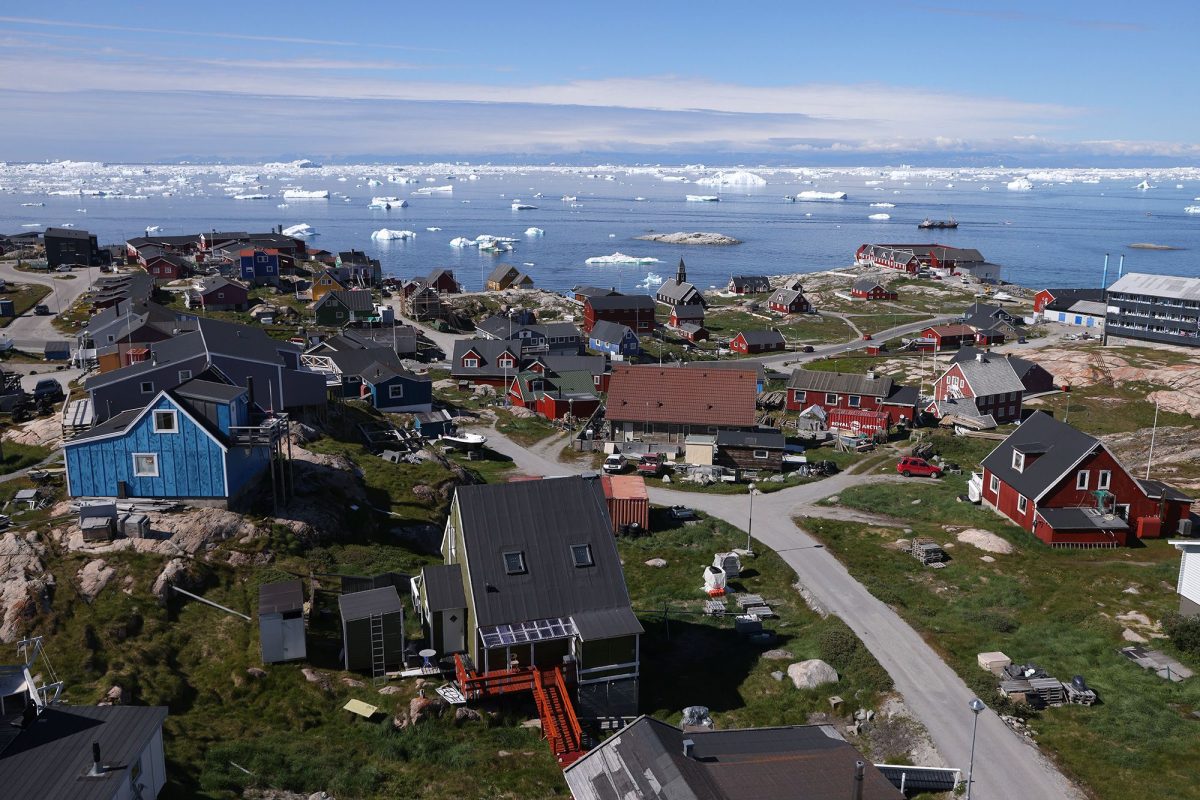
With the recent capture of Venezuelan President Nicholas Maduro, President Trump’s intent to expand the United States has become increasingly apparent in the media, mainly through his growing desire to acquire Greenland. While to many, this conflict may seem straightforward and out of the blue, it dates back to the 19th century, and could have serious impacts on the United States and its international relations, possibly leading to a larger dispute than many might think possible.
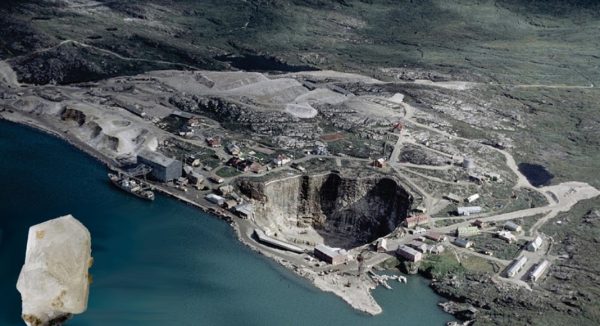
1867: The US has expressed interest in purchasing Greenland since 1867. At the time, the US had just purchased Alaska from Russia, with the Secretary of State, William H. Seward, negotiating the acquisition of Greenland. According to Robert J. Walker, the Secretary of the Treasury, Greenland possessed great mineral wealth, valuable mines, and extensive fishing grounds. It was also the only place in the world with the extremely valuable cryolite, a mineral used in the production of bombers and planes. He also noted that the purchase of Greenland would help the US eventually acquire Canada, pushing the country and surrounding areas to become a part of the United States. Despite these arguments, no law was passed.
WWII: The desire for Greenland died down until the eruption of World War II, when Greenland declared it would be self-ruled; this was due to Denmark newly being under German occupation. In 1941, however, the Danish Ambassador to the US signed an agreement with the US Secretary of State to station US troops in Greenland.
By 1945, Greenland held substantial military infrastructure and was an American protectorate, serving as strategically important against Germany and the Soviet Union. In 1946, the US secretly offered Denmark $100 million to purchase Greenland, arguing that it would give the US an advantage over the Arctic in combat. However, the transaction was never completed, just as in 1867.

2019 to Modern Day: In 2019, during his first presidential term, Trump expressed interest in acquiring Greenland, with the Danish prime minister calling any discussion of a sale “absurd.” The prime minister, Mette Frederiksen, also emphasized that “Greenland belongs to Greenland,” and is merely a Danish territory.
It was not until 2024 that Trump revived his offer, which was once again refused. During a joint address to Congress in March 2024, he said, “I think we’re going to get it. One way or the other, we’re going to get it.” Just last month, the President doubled down on this statement, with White House press secretary Karoline Leavitt stating to CNN that Trump has “made it well known that acquiring Greenland is a national security priority…and it’s vital to deter our adversaries in the Arctic region.” She continued, “The President and his team are discussing a range of options to pursue this…goal…utilizing the U.S. Military is always an option.”
One issue that could stem from Trump’s desire for Greenland lies in the fact that both the United States and Greenland are part of NATO (North Atlantic Treaty Organization). Since WWII, NATO has guaranteed the security of all 32 countries within the organization, and stood by the idea that an attack on one nation is an attack on all. By this philosophy, a United States attack on Greenland would essentially require that the other nations of NATO defend Greenland, possibly meaning the destruction of NATO altogether. It would also signify that the US would be violating Danish sovereignty and Greenland’s self-determination.
France, Germany, Norway, and Sweden have already deployed a small number of troops in Denmark, but Europeans are fully aware of the disaster that would occur from a war with the United States, due to its extensive military and nuclear strength.
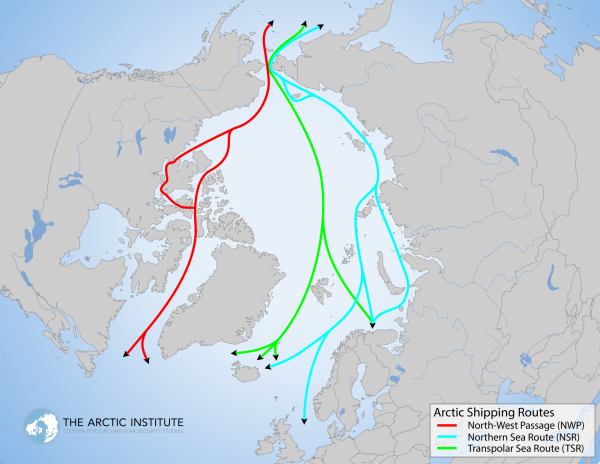
Despite these possible disadvantages, the acquisition of Greenland would prove advantageous in terms of American security and trade. Greenland’s location between the US, Europe, and Russia is key for US security, and could make northern shipping routes more accessible year-round. Greenland is also still extremely rich in natural resources.
According to Kim Hjelmgaard for USA Today, Russia’s Deputy Foreign Minister Sergey Ryabkov says Russia will take military action should the US deploy its proposed missile defense program to Greenland. This comes along with the recent expiration of the nuclear control pact (New START Treaty) between the United States and Russia.