










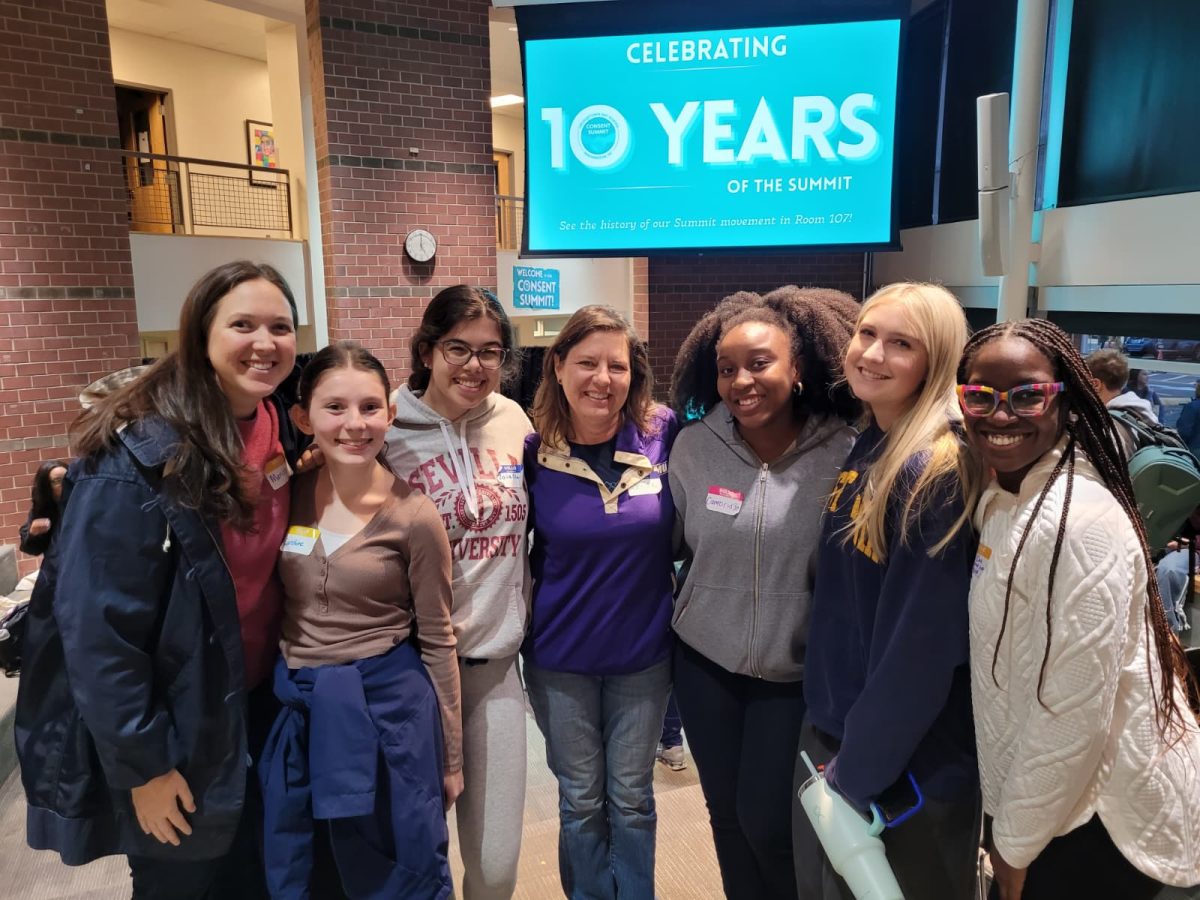
From November 21st to November 22nd, 2025, Georgetown Day School hosted their Tenth Annual GDS Consent Summit for schools across the United States to gather and discuss “the complexity of sexual violence and consent” (GDS Consent Summit). The Summit is student-run, and grew from a group of GDS students, led by Tyce Christian ‘18, who spent a few weeks in the summer of 2016 focusing on the “complexities and nuances of sexual assault policy and culture in our country” (GDS Consent Summit). This was the result of Christian advocating for a summer track to be offered by GDS that would raise awareness and educate about sexual assault. As of summer 2025, one of the seven summer tracks that the Policy Institute @ GDS offers is called ‘Bodily Autonomy and Consent,’ and addresses sexual assault, abortion, and access to healthcare.
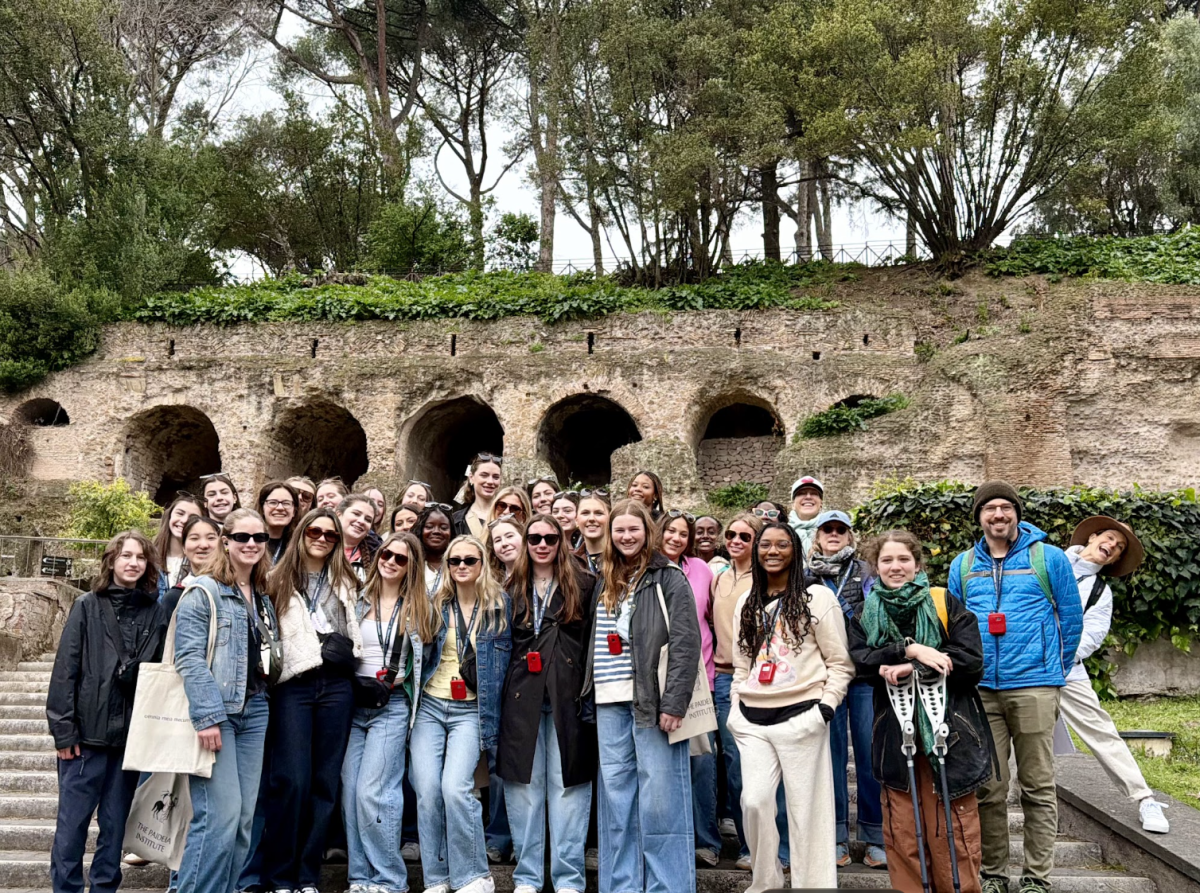
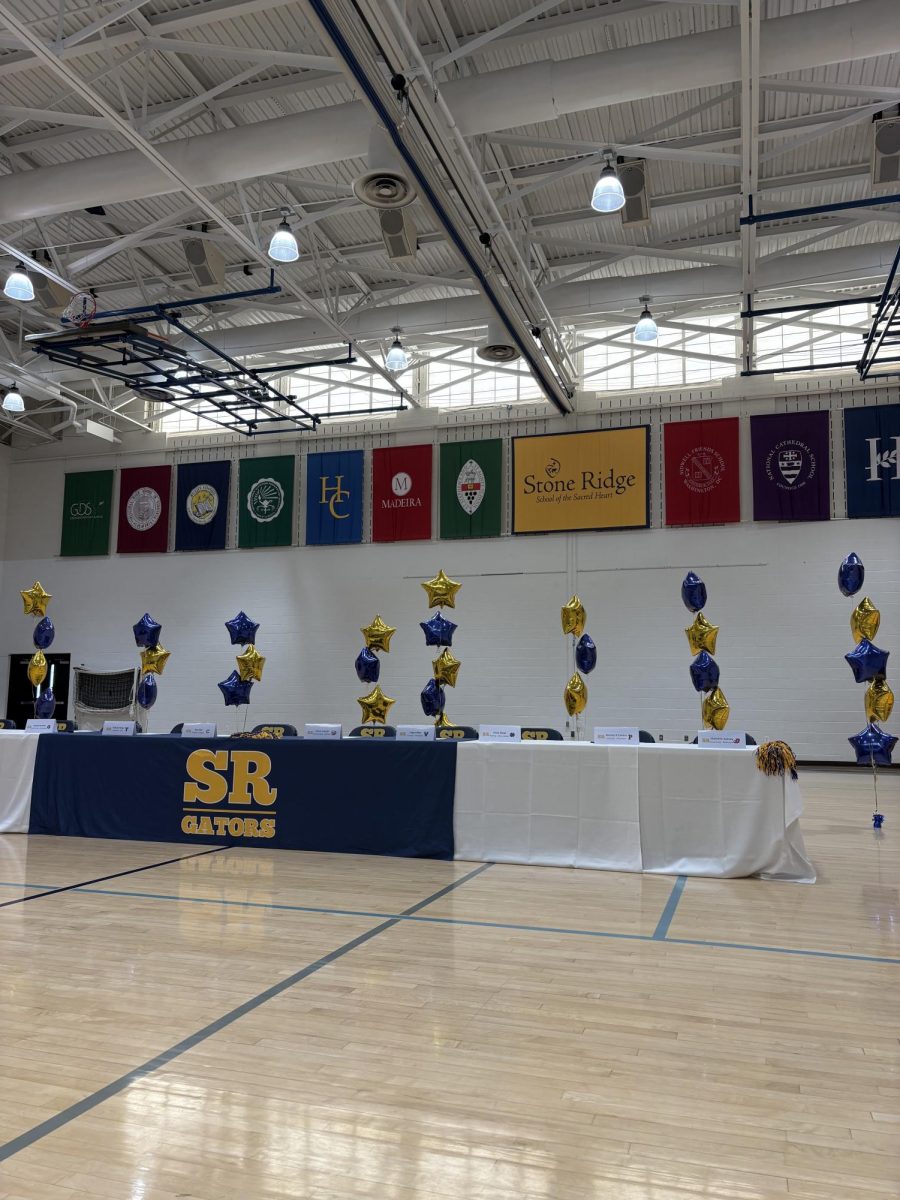
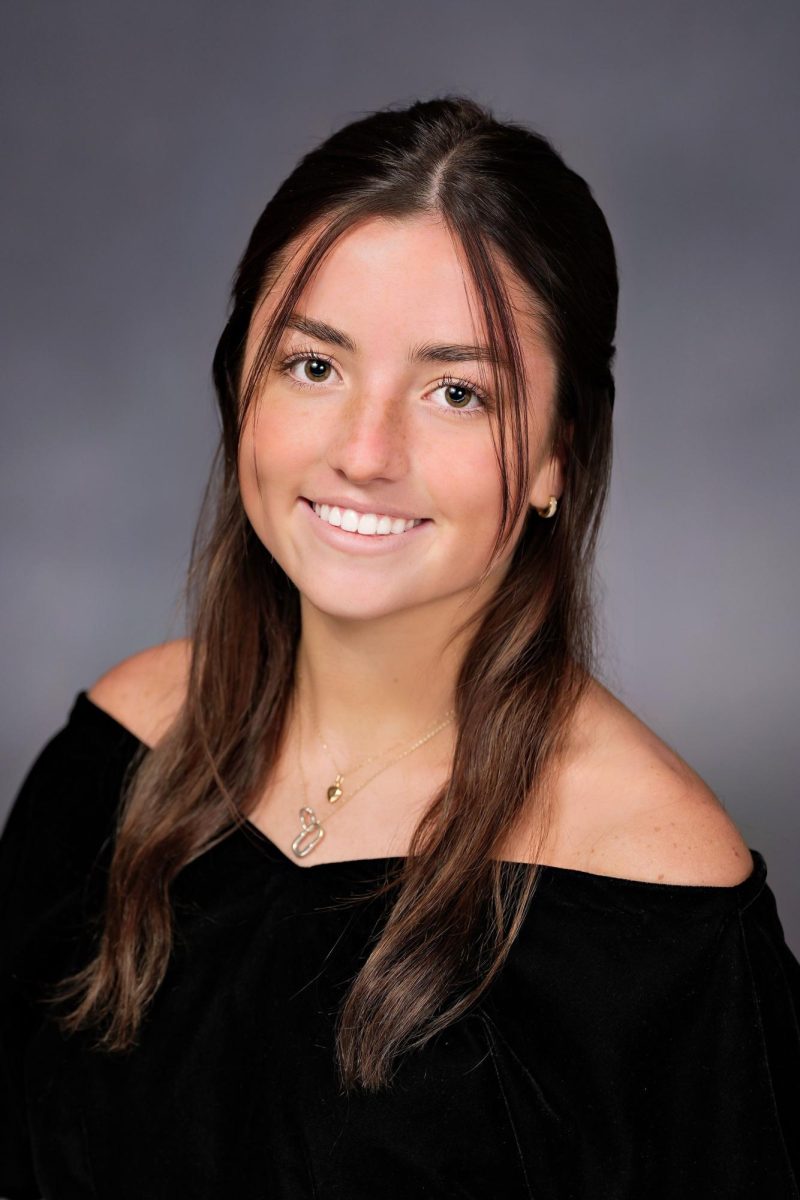
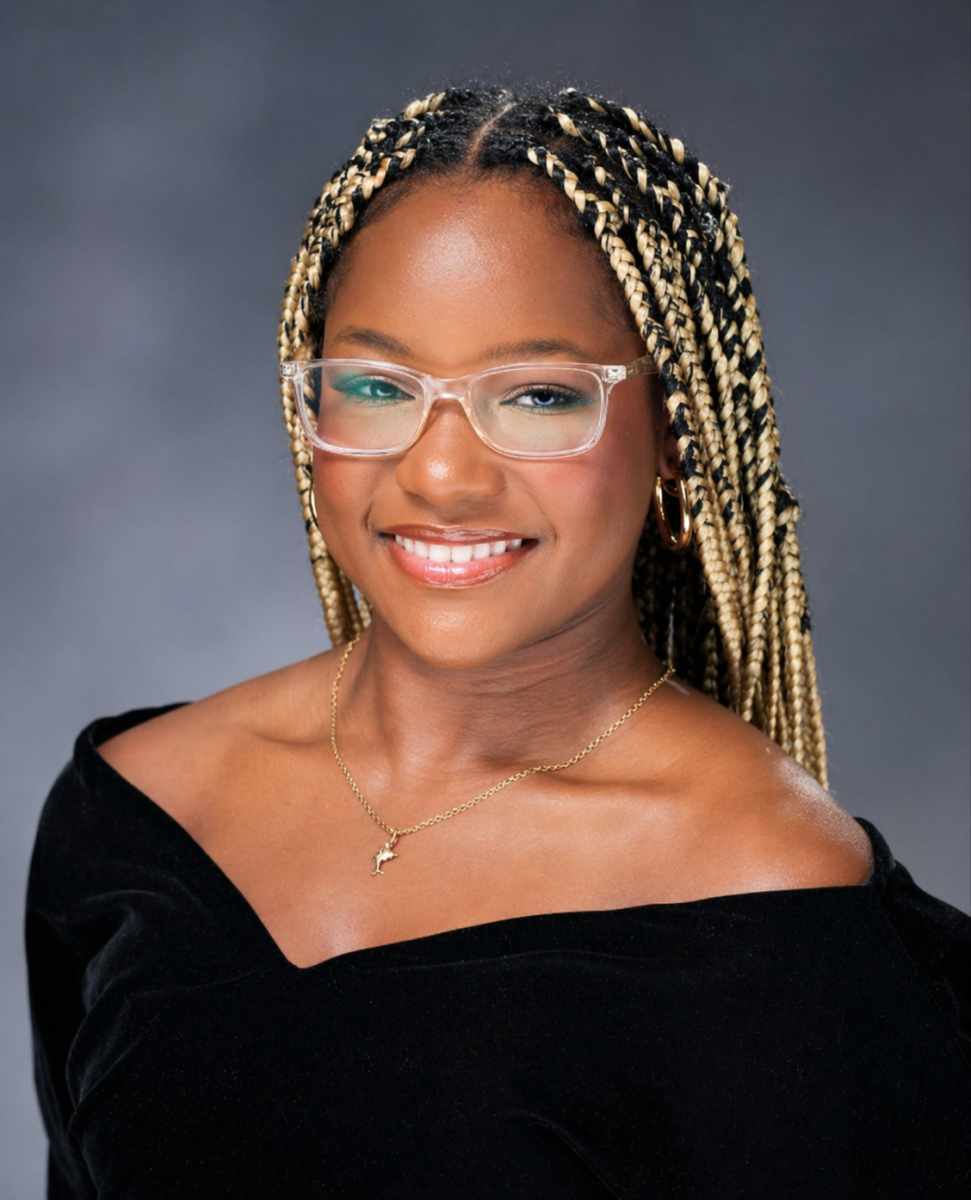
Stone Ridge has participated in the summit before, and sent a group of four students, Charlee Hartzog ‘27, Zoia Mitova ‘27, Caroline Tramontozzi ‘27, and Cambridge Worrell-Smith ‘27, and three adults, Dr. Bulger, Ms. Doe, and Ms. Key, to attend this year. The Summit helped “[build] a culture of support,” said Mitova, which helps “[make sexual assault] less of a taboo topic.”
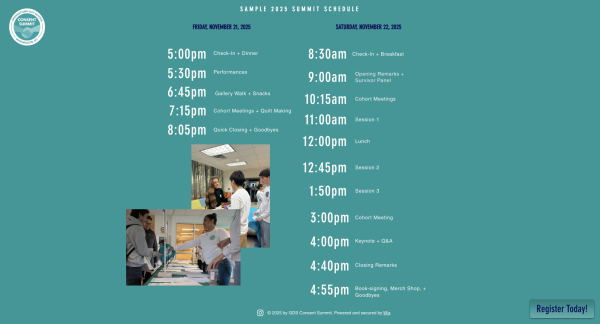
The Summit was split into two parts, with Friday afternoon being more of an introduction and an art showcase of how dance, songs, and poetry can represent the impact of sexual violence. Tramontozzi described how there was a gallery “that had stories of assault and an object from the assault, whether it be a stuffed animal or a bunch of stuff that took away innocence.”
Then on Saturday, the day ran from 8:30 am to 5:00 pm, with a welcome and survivors’ panel at the beginning, where four survivors spoke about their experience being assaulted. One effect of sexual violence Tramontozzi noted from the panel was that “after the assault happened [survivors] feel an icky feeling and want to take a shower,” which indicates how the bodily violation from sexual violence will stay with you. After this panel, students and adults were split into cohort groups for discussions, and then everyone attended three different workshops. Some of those workshops include Supporting Survivors of Sexual Assault, Active Bystander Skills, and a Self Defense workshop.

Before the day finished, there was a keynote speaker, astronaut Amanda Nguyen who is also a survivor, nonprofit CEO, and advocate for justice which is evident in her campagin for the federal Sexual Assault Survivors’ Bill of Rights. In 2016, the Bill was passed, and marked a step forward for equality and survivor support in the criminal justice system. Ngueyn was raped when she was studying to become astornout, which led her to fight for reform and “[pass] more than 65 laws” (We are Rise Now) with her nonprofit Rise. She talked about her “whole life experience … [and] career journey, and how the effects of what happened stuck with her” through that journey, said Tramontozzi. Ngueyn’s memoir about her experience, Saving Five: A Memoir of Hope, was published earlier this year.
Sexual violence is an under-represented topic, as it is also surrounded by myths, shame, and oppression. Rape culture, racism, discrimination, cultural differences, power dynamics, and gender stereotypes also have large impacts on how sexual assault is perceived. These “societal attitudes” help form rape culture, conditions where survivors are not supported, justice decreases, and sexual violence is more likely to happen and be viewed as “normalized.”
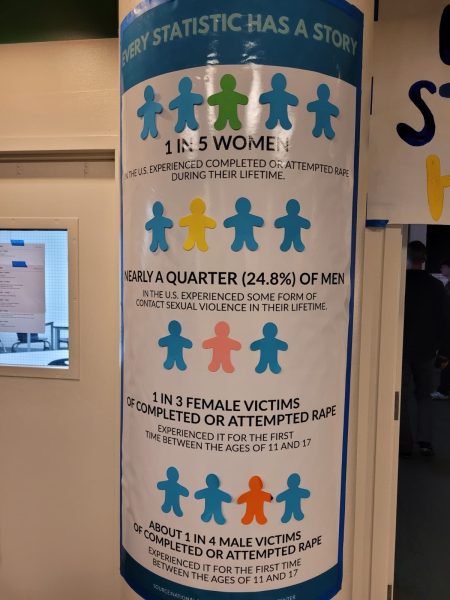
Additionally, Fairfax County Family Services also lists victim blaming, silencing survivors, systems of oppression, and lack of accountability as contributers to rape culture. Events like the GDS Consent Summit are important in combating this normalization because education raises awareness and gets people, especially young people, talking about consent culture and advocating for survivors, gender equality, and respect. Mitova discussed how one of the workshops she went to was about debunking myths surrounding sexual assault, like how sexual assault can happen to anyone in any situation, such as in marriage, how it doesn’t matter what clothing the person assaulted was wearing, and how boys can be sexually assaulted too.
Not enough awareness is always brought to matters of sexual violence everywhere, but by educating about consent and what healthy relationships look like, rape culture can lose its authority, and people can feel less alone. It is important for people to understand how to speak up, speak out against injustice, and work together to empower others in face of abuse, something Dr. Bulger could see happening at the GDS Summit since she was impressed at “how student-run the event was, and how much it depended on the student perspective.”
“So many more people need to be more aware about the meaning of consent and how common sexual assault is, and the different kinds of sexual assault,” said Tramontozzi. Additionally, Tramontozzi mentioned how the Summit addressed an alternative to using the term victim, saying “you don’t call people victims, you call them survivors because they’ve experienced [sexual violence], but they’re still here.”
Another importance the Summit addressed was how necessary health classes are, as Mitova mentioned how a “majority of other schools at the Summit have SexEd classes, which Stone Ridge does not.” Topics concerning sex, consent, reproductive rights, and sexual violence are something that can become implemented into the closest thing the Stone Ridge Upper School has to a health class, Academic Seminar. Academic Seminar at Stone Ridge already includes a few lessons about healthy and unhealthy relationships, including a lesson about consent that Ms. Key is currently teaching 2nd Academics. She and Ms. Doe are also “continu[ing] to strengthen the seminar lessons associated with dating violence and sexual assault through [Stone Ridge’s] partnership with One Love Foundation,” says Ms. Key. One lesson Ms. Doe teaches in Academic Seminar for 3rd Academics is showing a One Love video centered on an abusive relationship, and then talking about how to determine signs of healthy and unhealthy relationships, which is what the One Love Foundation focuses on.
Tramontozzi stressed this point as well because “Stone Ridge needs a day like this to go over how to protect yourself, advocate for others, [and understand] what exactly happens and what is going to happen [in these situations].” Currently, the juniors and adults who attended the Summit this year are meeting to discuss ways to raise awareness and education at Stone Ridge about their takeaways from the Summit.
Fighting for a consent culture over rape culture seemed to be one of the biggest takways from the GDS Consent Summit. Though education and talk about sexual violence has come a long way, experiencing sexual violence is still a prominent issue in society today, which demonstrates how there is much progress to go to eliminate any toleration of the issue. Thankfully, there are experiences for students and adults like the GDS Consent Summit that help foster support, advocacy, and respect, and more systems and events should be put in place to further that mission. A consent culture is empowering by setting boundaries, comfort, and respect in relationships because then, as Ms. Doe says, “everyone feels valued because their clear yes means yes and their clear no means no, and that goes for anything.”
If you are interested in reading more about this topic, please check out these websites:
Rape Culture: What It Is, How We Change It | Family Services